
Get Your Deposit Back: End-of-Lease Cleaning Tips for Lucerne–Higuera Renters
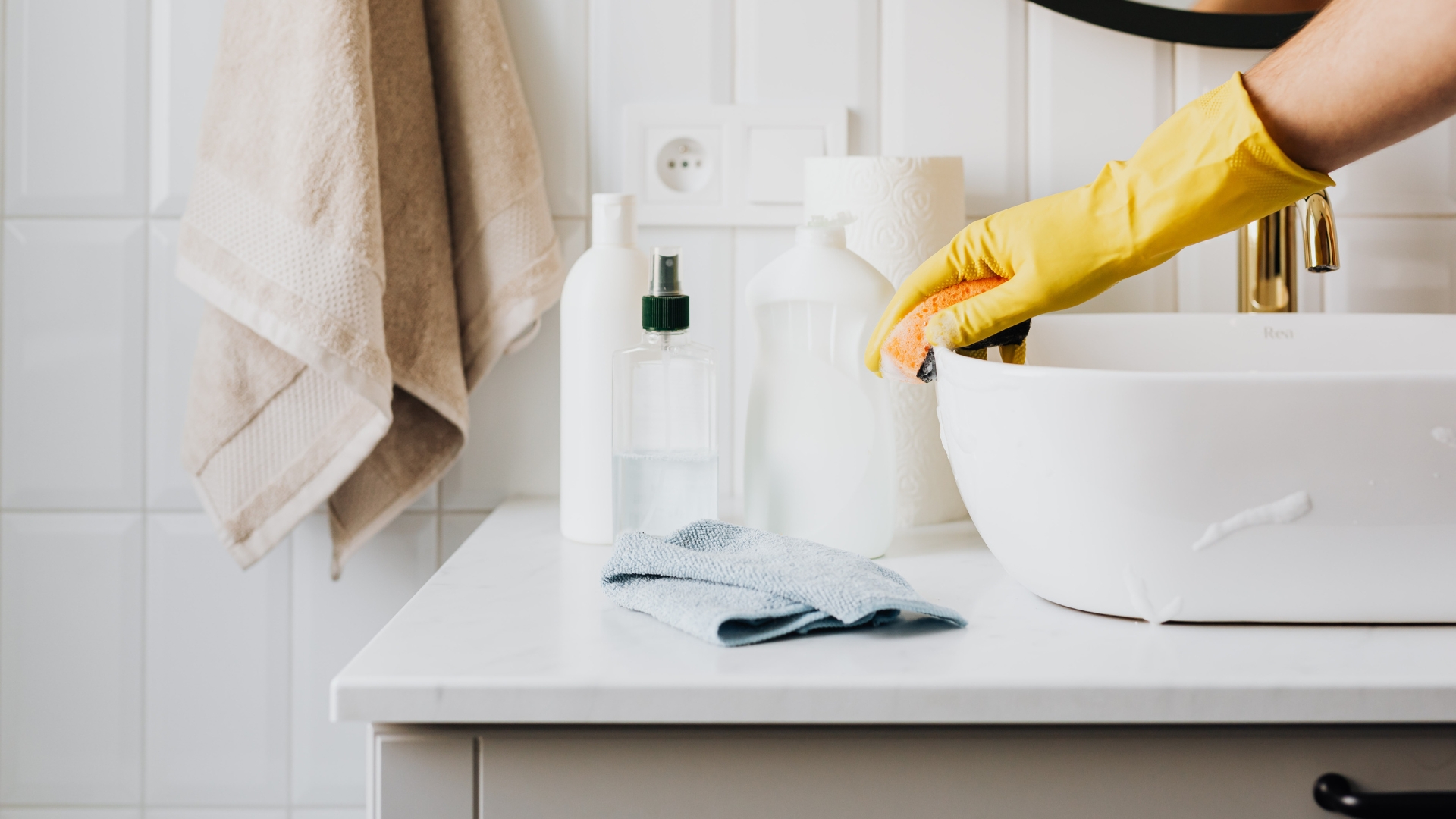
Your security deposit represents serious money—often $2,000-$3,500 for typical Lucerne–Higuera apartments in Culver City. Yet every year, countless renters in this vibrant neighborhood forfeit hundreds or thousands of dollars because their end-of-lease cleaning didn’t meet landlord expectations. The difference between recovering your full deposit and losing significant portions often comes down to understanding exactly what landlords inspect and how to address each area strategically.
The Lucerne–Higuera neighborhood, with its mix of charming older apartment buildings and modern developments between Culver Boulevard and Venice Boulevard, presents specific cleaning challenges. Many properties feature original hardwood floors, vintage tile, and architectural details requiring careful attention. Landlords in this desirable Culver City area can afford to be selective, and competition for quality rentals gives them leverage to scrutinize move-out conditions closely.
Cleaning West has helped hundreds of Lucerne–Higuera renters successfully navigate end-of-lease cleaning and secure their full security deposits. This comprehensive guide provides practical, neighborhood-specific strategies that actually work for protecting your deposit while managing the stress of moving.
Quick Answer
End-of-lease cleaning for Lucerne–Higuera renters requires thorough kitchen and bathroom sanitization, carpet cleaning or deep vacuuming, wall spot-cleaning, appliance detailing inside and out, and complete removal of all belongings. California law allows landlords 21 days to return deposits or provide itemized deductions for damage beyond normal wear and tear. Professional cleaning costs $250-$500 for typical Lucerne–Higuera apartments but often pays for itself through full deposit recovery. Always document final condition with photos before surrendering keys.
Understanding Your Rights: California Security Deposit Law
Before diving into cleaning specifics, Lucerne–Higuera renters need to understand their legal protections under California law.
The 21-day rule: California Civil Code 1950.5 requires landlords to either return your full security deposit or provide an itemized statement of deductions within 21 calendar days after you move out and return keys. Missing this deadline can result in landlords forfeiting their right to make deductions and potentially owing you penalties.
What landlords can deduct for: Security deposits can only be used for:
- Unpaid rent
- Cleaning costs necessary to return the unit to the same level of cleanliness as at move-in (beyond normal wear and tear)
- Repair costs for damage beyond normal wear and tear
Normal wear and tear vs. damage: This distinction is critical and frequently disputed:
Normal wear and tear (NOT deductible):
- Faded paint or wallpaper from sunlight or time
- Minor scuffs on walls from furniture or regular living
- Worn carpet in traffic areas after several years
- Small nail holes from picture hanging
- Loose door handles from regular use
- Minor scratches on hardwood floors from furniture
- Worn window coverings
Damage beyond normal wear (deductible):
- Excessive dirt requiring deep cleaning beyond regular maintenance
- Large holes in walls
- Carpet stains, burns, or pet damage
- Broken fixtures or appliances
- Missing items that were present at move-in
- Urine or feces stains
- Excessive grease or grime in kitchen
Documentation requirements: To legally deduct cleaning costs, landlords must:
- Have documented the unit’s condition at your move-in
- Document the condition at move-out
- Prove the cleaning was necessary
- Charge only actual, reasonable costs
Without proper documentation, many deductions can be successfully disputed.
Your protection strategy:
- Take extensive photos/videos at move-in and move-out
- Keep copies of all move-in inspection reports
- Save receipts from any professional cleaning
- Respond to deduction statements in writing if you dispute charges
- Understand you can sue in small claims court for wrongful deposit withholding
Start with Your Move-In Documentation
The foundation for deposit recovery was actually laid on your first day as a tenant.
Review your move-in records: Pull out any move-in inspection reports, photos, or condition documentation you created when you first moved in. This evidence shows:
- Pre-existing damage you’re not responsible for
- The baseline condition you’re expected to return the property to
- Areas that were already worn or damaged
If you thoroughly documented move-in condition, you’re in a strong position. If you didn’t (most people don’t), focus on making everything as clean as possible so cleanliness can’t be questioned even if condition debates arise.
What if you didn’t document at move-in? Don’t panic—many successful deposit recoveries happen without perfect move-in documentation. Focus on:
- Returning the property genuinely clean
- Addressing any obvious damage you caused
- Creating extensive move-out documentation
- Reasonable communication with landlords
Common Lucerne–Higuera pre-existing conditions: Many neighborhood properties have:
- Original hardwood with existing wear and scratches
- Vintage bathroom tile with aged grout
- Older appliances with wear marks
- Walls with multiple paint layers showing some imperfection
- Original cabinets with minor damage
These pre-existing conditions shouldn’t be blamed on you if they were present at move-in.
The Lucerne–Higuera Landlord Inspection Checklist
Understanding what landlords actually inspect helps you prioritize effectively during end-of-lease cleaning.
High-scrutiny areas (where most disputes occur):
Kitchen:
- Oven and stovetop cleanliness (inside and out)
- Refrigerator condition (inside, behind, underneath)
- Cabinet interiors (crumbs, spills, shelf liner residue)
- Under-sink area (water damage, cleaning product residue)
- Grease accumulation on range hood and backsplash
- Floor condition (especially corners and under appliances)
Bathrooms:
- Toilet condition (bowl, seat, base, tank, behind)
- Tub/shower grout and caulking (mildew, discoloration)
- Sink and vanity cleanliness
- Cabinet interiors
- Exhaust fan cover
- Floor condition (especially around toilet)
Floors throughout:
- Carpet stains and wear patterns
- Hardwood scratches, gouges, or finish damage
- Tile grout condition
- Sticky residue or grime
Walls:
- Nail holes and wall anchors
- Scuff marks and stains
- Large holes requiring patching
- Paint damage
Medium-scrutiny areas:
Windows and treatments:
- Window glass cleanliness
- Window tracks and sills
- Blind condition and cleanliness
- Screen integrity
Fixtures and hardware:
- Light fixture cleanliness
- Switch plates and outlets
- Door handles and hinges
- Cabinet hardware
Storage and closets:
- Cleanliness of all storage spaces
- Shelf condition
- Rod functionality
- Anything left behind
Lower-scrutiny but still important:
Baseboards and molding:
- Dust and grime accumulation
- Marks or damage
Air vents:
- Dust accumulation
- Cover condition
Outdoor spaces:
- Balcony or patio cleanliness
- Any assigned storage area condition
Landlords work systematically through properties. Understanding their checklist helps you clean strategically rather than haphazardly.
Room-by-Room End-of-Lease Cleaning Strategy
Here’s exactly how to address each area to maximize deposit recovery.
Kitchen deep cleaning:
Appliances—the #1 dispute area:
Refrigerator:
- Remove all food, shelves, and drawers
- Wash every removable part in hot soapy water
- Scrub interior walls, ceiling, and floor with appropriate cleaner
- Detail gasket folds with small brush—grime hides there
- Clean exterior, top, and sides
- Pull out from wall if possible and clean behind/underneath
- Vacuum condenser coils if accessible
- Leave unplugged with doors propped open to prevent odor
Oven and stovetop:
- Remove racks and soak in tub or sink with degreaser
- Apply oven cleaner to interior, following product instructions
- Let dwell, then scrub until no grease remains
- Remove burner grates, knobs, and drip pans—soak and scrub
- Degrease stovetop surface completely
- Clean control panel and knobs
- Wipe exterior and sides
- Don’t forget the warming drawer if present
Dishwasher:
- Remove and clean bottom filter
- Wipe door gasket and edges
- Run empty cleaning cycle with dishwasher cleaner or vinegar
- Wipe exterior and control panel
Microwave:
- Remove and wash turntable
- Heat bowl of water with lemon to loosen stuck food
- Wipe interior completely—ceiling, walls, door
- Clean exterior and top
Cabinets and drawers:
- Remove everything including shelf liners
- Vacuum or wipe out crumbs and debris
- Wipe interiors with damp cloth and cleaner
- Clean exteriors, especially around handles where hands touch
- Clean cabinet tops—dust accumulates heavily
Counters and sink:
- Remove everything and clean thoroughly
- Address any stains or stuck residue
- Clean backsplash including grout if tile
- Scrub sink until it shines
- Detail around faucet base where grime accumulates
- Polish all fixtures
Floors:
- Sweep thoroughly, including corners
- Move appliances and clean underneath if possible
- Mop with appropriate cleaner for your floor type
- Get into corners and edges—don’t just mop center areas
- Clean baseboards while you’re down there
Bathroom complete sanitization:
Toilet—often overlooked but always inspected:
- Pour cleaner into bowl, let sit
- Scrub bowl thoroughly, especially under rim
- Wipe tank exterior, lid, and flush handle
- Clean seat (top and bottom) and hinges
- Wipe exterior including base
- Clean floor around toilet base where urine accumulates
- Don’t forget toilet paper holder
Shower/tub:
- Spray all surfaces with bathroom cleaner
- Let dwell (chemistry works if you let it)
- Scrub walls, especially corners
- Use grout brush on grout lines—tedious but essential
- Clean all fixtures until they shine
- Remove mineral deposits with appropriate products
- Clean shower door tracks with detail brush
- Squeegee or wipe dry to show cleanliness
Sink and vanity:
- Scrub sink basin completely
- Detail around faucet and handles
- Polish all fixtures
- Wipe countertop and backsplash
- Clean mirror—no streaks or spots
- Wipe vanity/cabinet exterior
- Clean cabinet interior
Floor and details:
- Sweep or vacuum first
- Mop with disinfecting cleaner
- Get into corners and around toilet base
- Clean exhaust fan cover
- Wipe light fixtures
- Clean towel bars and toilet paper holder
Bedrooms and living areas:
Walls—address carefully:
- Walk through checking for marks, scuffs, holes
- Clean marks with Magic Eraser (test first in inconspicuous spot)
- Patch nail holes with spackle—sand smooth when dry
- Touch up with paint if available and allowed
- Don’t leave obvious holes or marks—easy deposit deductions
Closets:
- Remove all hangers unless landlord-provided
- Vacuum or sweep floor
- Wipe shelves and rods
- Clean any light fixtures
- Leave doors open to show emptiness
Windows:
- Clean interior glass until streak-free
- Vacuum or wipe window tracks and sills
- Clean or vacuum blinds—wipe each slat if dirty
- Check screens for damage
Floors:
- Vacuum carpet thoroughly (or hire professional cleaning if required)
- Address any visible stains with carpet cleaner
- Sweep and mop hard floors
- Clean into corners and under where beds/furniture were
Details:
- Dust/wipe all surfaces
- Clean light fixtures and fans
- Wipe switch plates and outlets
- Clean doors and frames
- Wipe baseboards throughout
Special Attention: Lucerne–Higuera Specific Challenges
Local properties present unique considerations worth addressing.
Original hardwood floors: Many Lucerne–Higuera apartments feature beautiful original hardwood that requires gentle care:
- Sweep thoroughly but don’t over-wet when mopping
- Address scuffs with appropriate products (not abrasives)
- Don’t expect to remove all wear—decades-old floors have patina
- Focus on cleanliness, not trying to make old floors look new
Vintage bathroom tile: Older properties often have original tile with:
- Aged grout that may never look perfect
- Older caulking showing age
- Patina that’s not removable
Clean as thoroughly as possible but don’t be held responsible for age-related condition if documented at move-in.
Culver City hard water: Local water leaves mineral deposits on:
- Faucets and showerheads
- Glass shower doors
- Sinks and tubs
Use appropriate products (like CLR) to remove these deposits without damaging fixtures.
Older appliances: Many Lucerne–Higuera properties have appliances with:
- Wear marks and scratches
- Discoloration from age
- Functionality issues
Clean thoroughly but don’t accept blame for age-related cosmetic issues.
Tree-lined streets mean pollen: If your apartment has been vacant even briefly with windows open, pollen settles quickly. Extra dusting and window sill attention addresses this.
The Professional Cleaning Decision
Many Lucerne–Higuera renters wonder whether hiring professional end-of-lease cleaning makes sense.
When professional cleaning is worth it:
Large or valuable deposits: If your deposit is $2,000+, spending $300-500 on professional cleaning is insurance protecting that larger sum.
Time constraints: Moving is overwhelming. If you’re juggling work, family, and moving logistics, professional cleaning removes major stress.
Physical limitations: End-of-lease cleaning is demanding. If you’re unable to do intensive physical labor, professionals are essential.
Particular landlords: If your landlord is known for being difficult or extremely particular, professional cleaning with documentation provides protection.
Lease requirements: Some leases specifically require professional cleaning with receipts. Check your lease terms.
Poor condition: If the property needs extensive work, professionals accomplish in hours what takes you days and deliver better results.
Professional cleaning advantages:
- Superior results with commercial equipment
- Faster completion (typical apartment: 4-6 hours)
- Documentation for disputes (professional invoice and guarantee)
- Reduced stress during already overwhelming period
- Often pays for itself through deposit recovery
When DIY makes sense:
- Property is already quite clean
- You have time and energy
- Deposit is smaller
- You’re confident in your abilities
- Budget is extremely tight
Hybrid approach: Some renters handle most cleaning themselves but hire professionals for:
- Carpet cleaning (often lease-required anyway)
- Oven deep-cleaning (challenging and time-consuming)
- Window washing
- Final touch-ups before inspection
This balances cost with results.
Documentation: Your Insurance Policy
Protecting yourself through thorough documentation is as important as the cleaning itself.
What to photograph/video: After completing all cleaning, document extensively:
- Overall view of each room
- Close-ups of cleaned appliances (open refrigerator, clean oven, etc.)
- Bathrooms showing cleanliness
- Floors in all areas
- Windows and blinds
- Walls (showing no marks or damage)
- Closets (empty and clean)
- Any areas that were problematic at move-in
How to document effectively:
- Use time-stamped photos (most phones do this automatically)
- Take multiple angles of each area
- Show details that could be disputed
- Video walkthrough provides comprehensive overview
- Store everything securely—you may need it months later
Why documentation matters: If landlords claim you left property dirty or damaged, your photos prove otherwise. Without evidence, disputes become your word against theirs—and they have your deposit.
Professional cleaning receipts: If you hire professionals, keep all:
- Invoices showing what was cleaned
- Service guarantees or warranties
- Business cards and contact information
These documents prove you made good-faith efforts to return property properly.
Common Deposit Deduction Disputes and How to Avoid Them
Learning from common conflicts helps you avoid expensive mistakes.
Dispute #1: “Carpet needs professional cleaning” How to avoid: If your lease requires professional carpet cleaning, have it done and keep the receipt. If not required, thorough vacuuming and spot-treatment may suffice, but professional cleaning ($100-200) often prevents larger deductions.
Dispute #2: “Kitchen appliances were dirty” How to avoid: Spend extra time on appliances—they’re easy targets for deductions. Photograph interiors after cleaning to prove thoroughness.
Dispute #3: “Walls have marks/holes” How to avoid: Walk every wall looking for issues. Clean marks, patch holes, touch up if possible. Photograph final condition.
Dispute #4: “Bathroom mildew and grime” How to avoid: Scrub grout extensively. Use mildew-specific products. Show before/after photos if mildew was pre-existing.
Dispute #5: “Property had odors” How to avoid: Air out thoroughly. Use enzymatic cleaners for any pet areas. Address source of odors, don’t just mask them. Have someone else smell-test (you may be nose-blind).
Dispute #6: “Items left behind” How to avoid: Remove absolutely everything—furniture, boxes, trash, cleaning products, everything. Check storage areas, balconies, closets multiple times.
Dispute #7: “Excessive cleaning time charged” How to avoid: Professional cleaning with fixed quotes prevents this. If landlord claims they hired cleaners charging excessive rates, your documentation of final condition helps dispute charges.
Timeline: When to Do What
Strategic timing maximizes results and minimizes stress.
2-3 weeks before move-out:
- Review lease cleaning requirements
- Assess property condition
- Decide DIY vs. professional
- Book professional cleaning if using
- Purchase cleaning supplies if DIY
- Begin decluttering and packing
1 week before move-out:
- Complete most packing
- Address any repairs you’re responsible for
- Deep clean areas you can access with furniture present
- Request final walkthrough with landlord if they offer it
2-3 days before move-out:
- Move all furniture and belongings out
- Complete thorough cleaning (or have professionals do it)
- Address any issues discovered during cleaning
Move-out day:
- Final inspection of entire property
- Address any missed spots
- Take extensive photos/videos
- Return all keys, garage openers, etc.
- Note move-out date and time
- Provide forwarding address for deposit return
After move-out:
- Keep all documentation organized
- Wait for deposit return (21 days in California)
- Review any deduction itemization carefully
- Dispute improper charges in writing if necessary
What to Do If Your Deposit Is Wrongfully Withheld
Despite your best efforts, some landlords make improper deductions.
Review the itemization carefully: California requires detailed itemizations. Check:
- Are charges reasonable and documented?
- Are you being charged for normal wear and tear?
- Do costs match actual cleaning/repair expenses?
- Are deductions for pre-existing conditions you documented?
Respond in writing: If deductions seem improper:
- Write to landlord disputing specific charges
- Provide evidence (photos, receipts, move-in documentation)
- Request refund of improperly withheld amounts
- Send via certified mail with return receipt
- Keep copies of all correspondence
Small claims court: If landlords don’t respond reasonably, California small claims court handles deposit disputes:
- Filing fees are minimal ($30-75)
- No attorney required
- Judges familiar with tenant-landlord disputes
- You can recover wrongfully withheld deposits plus potential penalties
- Bring all documentation to court
Legal resources:
- Culver City has tenant resources and housing departments
- Legal aid organizations help qualifying tenants
- Many tenant rights organizations provide guidance
Don’t let improper deductions go unchallenged—landlords count on tenants not fighting back.
Your Path to Full Deposit Recovery
Your Lucerne–Higuera security deposit represents significant money and your rental history. Protecting it through strategic end-of-lease cleaning isn’t just about money—it’s about maintaining your housing reputation and leaving on good terms.
The difference between losing $500-1,500 to deposit deductions and recovering your full deposit often comes down to understanding what landlords inspect, addressing each area systematically, and documenting everything thoroughly. Whether you clean yourself or hire professionals, following the strategies in this guide dramatically improves your chances of full deposit return.
For Lucerne–Higuera renters who want guaranteed results and professional documentation that stands up to landlord scrutiny, professional move in/move out cleaning in Lucerne–Higuera provides peace of mind during an already stressful transition. At Cleaning West, we know exactly what Culver City landlords look for and how to deliver results that satisfy even the most demanding property owners.
Your deposit matters. Your time matters. Your peace of mind matters. Strategic end-of-lease cleaning protects all three while giving you the fresh start your next chapter deserves.