
Move-Out Cleaning Checklist for Palms Renters
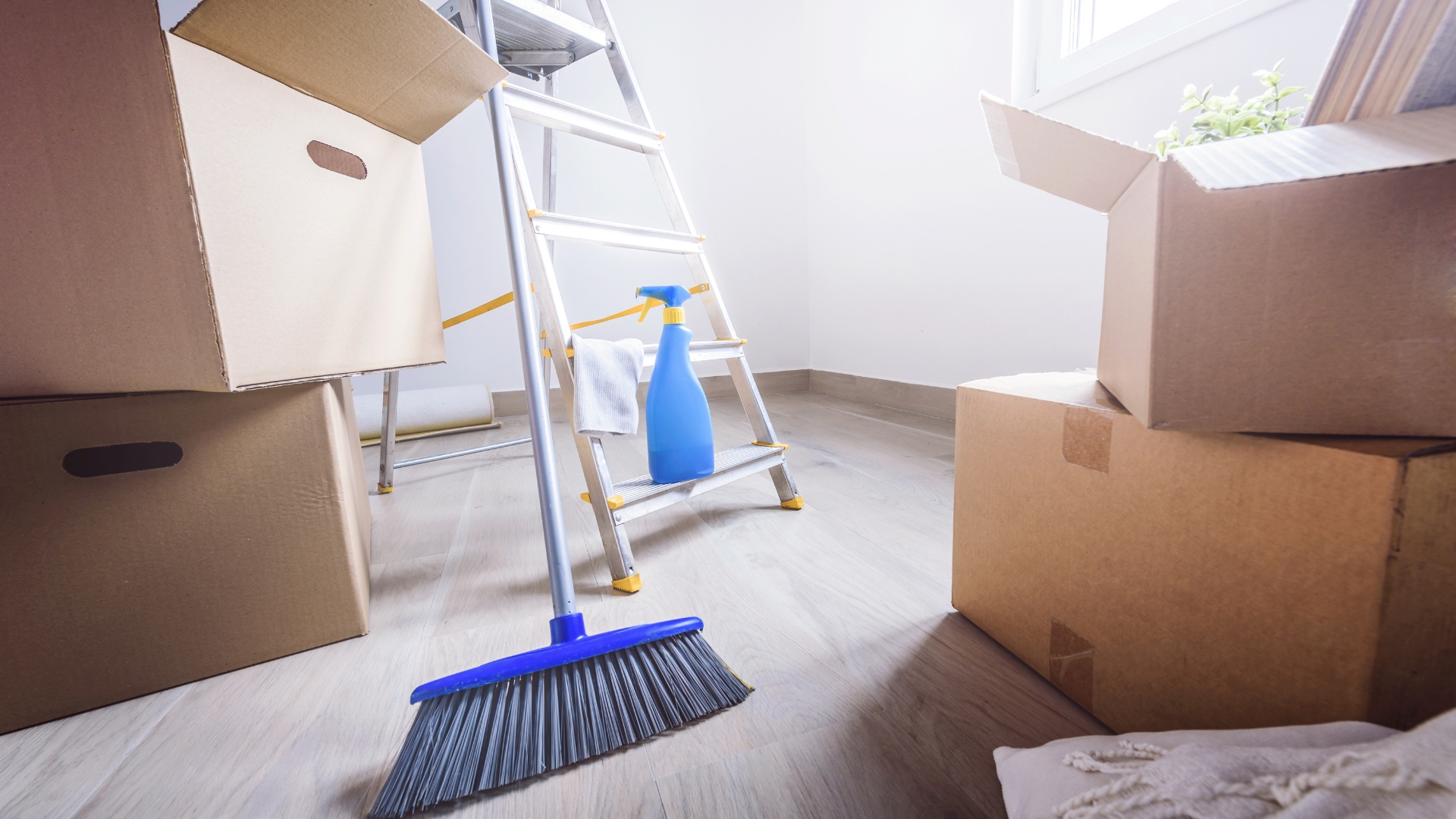
Moving out of your Palms apartment or rental home is stressful enough without worrying about losing your security deposit over cleaning issues. Yet every year, countless Los Angeles renters forfeit hundreds or even thousands of dollars because their move-out cleaning didn’t meet landlord expectations. The difference between getting your full deposit back and receiving nothing often comes down to knowing exactly what landlords inspect and cleaning accordingly.
Palms renters face specific challenges during move-out. The neighborhood’s mix of older apartment buildings and newer developments means varying landlord expectations. Competition for rentals in this centrally located area gives landlords leverage to be selective and demanding. Properties near the 10 freeway accumulate more dust and grime, requiring extra attention. Understanding these local factors helps you approach move-out cleaning strategically rather than hoping for the best.
Cleaning West has helped hundreds of Palms renters successfully navigate move-out cleaning and secure their full security deposits. This comprehensive checklist provides room-by-room guidance specifically designed for Palms rental properties, covering everything landlords inspect and exactly how to address each area.
Quick Answer
Move-out cleaning for Palms renters requires deep cleaning every room, removing all personal belongings, repairing minor damage, and documenting the final condition. Essential tasks include scrubbing all appliances inside and out, deep cleaning bathrooms including grout, removing all wall marks, vacuuming or steam cleaning carpets, washing windows, and ensuring no traces of occupancy remain. Professional move-out cleaning costs $250-600 for typical Palms apartments but often pays for itself through full deposit recovery. Always photograph the final condition before surrendering keys.
Understanding Palms Landlord Expectations
Before diving into specific cleaning tasks, understanding what Palms landlords actually inspect helps you prioritize effectively.
The landlord’s perspective: Landlords want properties returned in “rent-ready” condition—meaning the next tenant could move in immediately without additional cleaning. This doesn’t mean brand new condition (normal wear and tear is legally acceptable), but it does mean thoroughly clean with all damage beyond normal wear repaired or noted.
Common dispute areas: Most security deposit conflicts arise from:
- Kitchen and bathroom cleanliness (especially appliances and grout)
- Carpet condition and cleaning
- Wall marks, scuffs, and minor damage
- Window and blind cleanliness
- Leftover belongings or trash
- Odors (pets, smoke, cooking, general mustiness)
Palms-specific considerations: Older Palms buildings often have accumulated issues that weren’t your fault but might be blamed on you without proper documentation. Pre-existing wall marks, worn fixtures, or dingy grout should have been documented during move-in. If you didn’t photograph everything at move-in (most people don’t), you’re at a disadvantage but not helpless—focus on making everything as clean as possible so cleanliness can’t be questioned even if condition debates arise.
Legal protection: California law requires landlords to return deposits within 21 days with itemized deductions if applicable. Landlords can only deduct for damage beyond normal wear and tear or for uncompleted lease obligations like cleaning. Understanding your rights prevents accepting unfair deductions.
Pre-Cleaning Preparation
Before starting actual cleaning, strategic preparation makes the process more efficient and effective.
Complete move-out first: Don’t try to clean while still living in the space or with belongings present. Remove absolutely everything—furniture, belongings, food, trash, everything. Many landlords consider any remaining items as “abandoned property” requiring disposal, which they’ll charge to your deposit.
Gather supplies and tools:
- All-purpose cleaner
- Degreaser for kitchen
- Bathroom cleaner with bleach or disinfectant
- Glass cleaner
- Floor cleaner appropriate for your surfaces
- Scrub brushes in various sizes
- Microfiber cloths and sponges
- Vacuum with attachments
- Mop and bucket
- Trash bags
- Rubber gloves
- Step ladder for reaching high areas
Review your move-in inspection: If you documented property condition at move-in, review those photos now. This shows what was pre-existing versus damage you’re responsible for. Use this documentation if disputes arise.
Address repairs: Fix anything you’re responsible for before cleaning—patch nail holes, fix broken blinds, replace burned-out bulbs, repair any damage beyond normal wear. Cleaning won’t hide damage, and landlords often charge premium rates for repairs they handle.
Plan adequate time: A typical Palms apartment (1-2 bedrooms) requires 6-10 hours of thorough cleaning. Larger units or those in poor condition need more time. Don’t rush this—your deposit likely exceeds what you’d earn working those hours, making this time an excellent investment.
Kitchen Deep Cleaning Checklist
Kitchens receive the most scrutiny during move-out inspections. Landlords know that kitchen condition indicates overall tenant care.
Appliances—interior and exterior:
Refrigerator:
- Remove all shelves, drawers, and removable parts
- Wash everything in hot soapy water
- Scrub interior walls, ceiling, and floor of both refrigerator and freezer
- Clean door seals with detail brush—grime accumulates in gasket folds
- Clean exterior, top, and sides—pull out to clean behind and underneath if possible
- Vacuum condenser coils (usually behind toe kick panel at bottom)
- Leave doors propped open to prevent odor
Oven and stovetop:
- Remove oven racks and soak in tub or large sink with degreaser
- Use oven cleaner on interior following product directions
- Scrub until no grease or food residue remains
- Clean oven door, including between glass panels if accessible
- Remove burner grates, drip pans, and knobs—soak and scrub thoroughly
- Degrease stovetop surface completely
- Clean control panel and backsplash
Microwave:
- Remove and wash turntable
- Clean interior completely—use microwave-safe bowl of water with lemon to loosen stuck food
- Scrub ceiling, walls, and door
- Clean exterior and top
Dishwasher:
- Remove and clean filter at bottom
- Wipe door seals and edges where food particles accumulate
- Run empty cycle with dishwasher cleaner or vinegar
- Clean exterior and control panel
Cabinets and drawers:
- Remove all items including shelf liners
- Vacuum or wipe out crumbs and debris
- Wash interiors with all-purpose cleaner
- Clean cabinet exteriors, paying attention to handles and areas around handles where hands touch
- Don’t forget cabinet tops—dust accumulates heavily there
Countertops and backsplash:
- Clear completely and clean thoroughly
- Remove any stuck food or stains
- Clean backsplash, including grout lines if tile
- Detail around faucet base where grime accumulates
Sink:
- Scrub sink basin until it shines
- Detail around faucet and handles
- Clean disposal by grinding ice cubes and citrus peels, then running water
- Polish fixtures until spotless
Floors:
- Sweep thoroughly, including corners and edges
- Mop with appropriate cleaner
- Detail baseboards and floor/wall junctions
- Clean under appliances if they can be moved safely
Additional details:
- Light fixtures and switches
- Inside and outside of any pantry
- Windowsills and window tracks
- Any decorative items left by landlord
The kitchen often makes or breaks deposit return. Invest significant time here—it’s worth it.
Bathroom Complete Cleaning Checklist
Bathrooms are the second-most scrutinized area and often the most challenging to clean thoroughly.
Toilet:
- Scrub bowl thoroughly with toilet brush and cleaner
- Let cleaner sit for several minutes before scrubbing
- Clean under rim where mineral deposits and bacteria accumulate
- Wipe down exterior—tank, seat, base, and behind toilet
- Clean floor around toilet base where urine and dust collect
- Don’t forget the toilet paper holder
Shower and tub:
- Scrub all walls, paying attention to corners and edges
- Clean fixtures until they shine—remove mineral deposits
- Scrub grout lines with grout brush—this is tedious but essential
- Clean shower door tracks—use old toothbrush for detail work
- Remove and clean drain covers
- Address any mildew with appropriate cleaners
- Clean showerhead—remove and soak if heavily mineralized
- Squeegee or wipe dry to show cleanliness
Sink and vanity:
- Scrub sink basin completely
- Clean around faucet base and handles
- Polish fixtures until spotless
- Clean mirror—no streaks, spots, or toothpaste splatter
- Wipe down countertop and backsplash
- Clean cabinet/vanity exterior
- Open and clean cabinet interior
Bathroom-specific details:
- Exhaust fan cover—remove and wash if possible, otherwise vacuum
- Light fixtures and bulbs
- Towel bars and toilet paper holders
- Any shelving or storage
- Baseboards and floor/wall junctions
- Door and door frame
Floors:
- Sweep or vacuum thoroughly
- Mop with disinfecting cleaner
- Get into corners and around toilet base
- Clean grout lines if tile floor
Address odors: Bathrooms can develop persistent odors from mildew, poor ventilation, or biological buildup. After cleaning, ensure the space smells fresh—use bathroom fan or open windows to air out. If odors persist despite cleaning, they may be coming from:
- Drain biofilm—pour enzyme drain cleaner down all drains
- Wax ring under toilet—if this is failing, notify landlord (not your responsibility to replace)
- Mildew in caulking or behind walls—clean visible areas, note anything that seems structural
Bedroom and Living Area Cleaning
These areas are usually less challenging than kitchens and bathrooms but still require thoroughness.
Walls:
- Inspect all walls carefully for marks, scuffs, or damage
- Clean any marks or scuffs with Magic Eraser or appropriate cleaner
- Patch nail holes with spackle—sand smooth and touch up with paint if available
- Don’t leave obvious marks or holes—these are easy deposit deductions
Closets:
- Remove any remaining items, including hangers unless provided by landlord
- Vacuum or sweep floor
- Wipe down shelves and rods
- Clean light fixtures
- Leave doors open to show they’re empty and clean
Windows and treatments:
- Clean interior window glass until streak-free
- Clean window tracks and sills—use vacuum first, then detail with damp cloth
- Clean or vacuum blinds—wipe each slat if very dirty
- Launder curtains if present and removable
- Clean exterior windows if accessible and required by lease
Doors and trim:
- Wipe down all doors, paying attention to areas around handles
- Clean door frames and trim
- Don’t forget closet doors and interior doors
Light fixtures:
- Remove covers and wash or wipe clean
- Replace any burned-out bulbs
- Wipe down ceiling fans—blades, motor housing, and pull chains
Outlets and switches:
- Wipe down all switch plates and outlet covers
- These show fingerprints and grime clearly
Baseboards:
- Wipe down all baseboards throughout the space
- Use damp cloth and detail cleaner for stuck dirt
- Don’t skip this—dirty baseboards are obvious during inspections
Floors:
Carpet:
- Vacuum thoroughly, including edges and corners
- Use vacuum attachments for edges and under radiators
- Address any stains with carpet cleaner
- Consider professional carpet cleaning—many leases require this, and even if not required, clean carpets dramatically improve your chances of full deposit return
- Document carpet condition with photos—normal wear and aging isn’t your responsibility
Hard floors:
- Sweep or vacuum thoroughly
- Mop with appropriate cleaner for your floor type
- Don’t over-wet hardwood floors
- Detail edges and corners
- Clean any scuffs or marks
Entry, Hallway, and Additional Areas
Don’t neglect transitional and additional spaces that landlords definitely inspect.
Entry area:
- Clean any coat closet thoroughly
- Wipe down entry door interior and exterior (if you have access)
- Clean door hardware—handles, locks, peephole
- Sweep or vacuum and mop entry floor
Hallways:
- Follow same wall, baseboard, and floor protocols as other rooms
- Clean any hallway closets or storage
- Wipe down handrails if present
Laundry area (if in-unit):
- Clean washer and dryer thoroughly
- Wipe down exteriors
- Clean behind and underneath if possible
- Clean lint trap area extensively
- Wipe down any counters or storage
Balcony or patio:
- Sweep thoroughly
- Remove any debris, dirt, or personal items
- Wipe down railings
- Clean sliding door tracks—these get extremely dirty
- Ensure drainage areas are clear
Storage spaces:
- Clean any garage space, storage unit, or shed assigned to your unit
- Remove all belongings
- Sweep or vacuum
- Address any spills or stains
HVAC:
- Replace air filters
- Vacuum any floor vents or returns
- Wipe down thermostat
Final Touches and Inspection
After completing all cleaning, these final steps ensure nothing gets overlooked.
Walk-through with critical eye: Pretend you’re the landlord inspecting the property. Look at everything with scrutiny:
- Run your hand along surfaces to check for stickiness or residue
- Look at walls from different angles to catch marks you missed
- Open every cabinet, drawer, and closet
- Check behind doors
- Look up at ceilings and light fixtures
- Get down low to see baseboards and floor edges
Address anything you find: If you discover areas you missed, clean them now. This is your last chance to control the narrative before the landlord sees the property.
Odor check: Ask someone not living in the space to assess for odors—occupants become nose-blind to smells that are obvious to others. Address any odors before leaving:
- Air out the space completely
- Use odor eliminators (not air fresheners that mask) if needed
- Consider professional odor treatment for serious issues
Documentation: Take extensive photos and videos of every room from multiple angles. Document:
- Overall room condition
- Appliances (inside and out)
- Fixtures and hardware
- Floors, walls, and ceilings
- Anything that shows cleanliness or pre-existing issues
Time-stamp your documentation. These photos protect you if disputes arise—they show you left the property clean even if the landlord claims otherwise.
Utility check:
- Leave heat/AC at reasonable setting
- Leave refrigerator plugged in but empty with doors ajar
- Close all windows
- Turn off lights
Final walkthrough with landlord (if possible): Request a joint final inspection. Many landlords accommodate this, and it allows immediate resolution of any concerns they have. If they identify issues during this walkthrough, you can address them immediately rather than losing deposit money.
Professional Move-Out Cleaning: Is It Worth It?
Many Palms renters wonder whether hiring professional move-out cleaning services makes financial sense.
Advantages of professional cleaning:
Guaranteed thoroughness: Professional cleaners have checklists ensuring nothing gets overlooked. They’re not emotionally exhausted from moving—this is just another job requiring their systematic approach.
Expertise and efficiency: Professionals clean move-outs regularly. They know exactly what landlords inspect and how to address each area. They work faster and more effectively than most renters attempting DIY cleaning.
Better equipment: Commercial cleaning equipment achieves results that consumer products can’t match—deeper carpet extraction, more powerful scrubbing, better degreasing.
Physical and mental relief: Moving is exhausting. Professional cleaning eliminates one major stressor during an already overwhelming process.
Cost-benefit analysis: Professional move-out cleaning for a typical Palms apartment costs $250-600 depending on size and condition. If this investment prevents losing even half your security deposit, it pays for itself dramatically. Most Palms security deposits are $1,500-3,000+, making professional cleaning a small insurance policy protecting a much larger sum.
When DIY makes sense: If your rental is already very clean, you’re physically capable and have time, and you’re confident in your cleaning abilities, DIY may suffice. However, most people underestimate both the time required and the thoroughness landlords expect.
When professionals are essential:
- You have limited time before move-out deadline
- The property is in poor condition requiring extensive work
- You’re physically unable to do intensive cleaning
- You’ve never done move-out cleaning before and are unsure of expectations
- Your security deposit is large enough that protecting it justifies the investment
For most Palms renters, professional move in/move out cleaning in Palms is a smart investment. At Cleaning West, we’ve helped countless renters recover their full deposits by ensuring properties meet or exceed landlord expectations. We understand what Palms landlords look for and clean accordingly.
Common Mistakes That Cost Security Deposits
Learning from others’ errors helps you avoid expensive mistakes.
Mistake #1: Leaving the property too late: Rushing cleaning because you’re behind schedule leads to missed areas and substandard work. Start early and allocate more time than you think necessary.
Mistake #2: Not reading your lease: Many leases specify cleaning requirements like professional carpet cleaning or specific standards. Know what your lease requires and comply exactly.
Mistake #3: Failing to document: Without photos proving you left the property clean, you have no recourse if landlords falsely claim you didn’t. Documentation is your only protection.
Mistake #4: Leaving belongings behind: Even trash bags by the curb or items in storage areas can be charged against your deposit as disposal fees. Remove absolutely everything.
Mistake #5: Ignoring repairs: Hoping landlords won’t notice damage rarely works. Address minor repairs yourself or expect to be charged inflated rates for the landlord’s repair person.
Mistake #6: Forgetting exterior areas: Balconies, patios, storage spaces, and parking spots are part of your rental and must be cleaned too.
Mistake #7: Surface cleaning only: Wiping surfaces looks clean but doesn’t address the deep cleaning landlords expect. Inside appliances, grout lines, baseboards—these details matter.
Your Path to Full Deposit Recovery
Your security deposit represents significant money—often equivalent to a full month’s rent or more. Protecting that deposit through thorough move-out cleaning isn’t just about money, though that’s important. It’s also about maintaining your rental history and references, leaving on good terms with your landlord, and having the peace of mind that you fulfilled your lease obligations.
Palms is a competitive rental market where landlords can afford to be selective. A negative reference or lost deposit can create obstacles for your next rental. Taking move-out cleaning seriously protects both your immediate finances and your future housing options.
Whether you tackle this cleaning yourself or hire professionals, the key is understanding exactly what’s required and ensuring every area meets those standards. Don’t guess or hope—know what landlords inspect and address each item specifically.
Move-out cleaning is your final responsibility as a tenant. Do it right, document it thoroughly, and you’ll walk away with your full deposit and a clean slate for your next chapter. For Palms renters who want guaranteed results and professional-level cleaning that protects their deposits, Cleaning West brings expertise, thoroughness, and peace of mind to the move-out process.
Your deposit matters. Your time matters. Your stress levels matter. Make the smart choice that protects all three.