
Pet-Friendly House Cleaning Tips for Manhattan Beach Homeowners
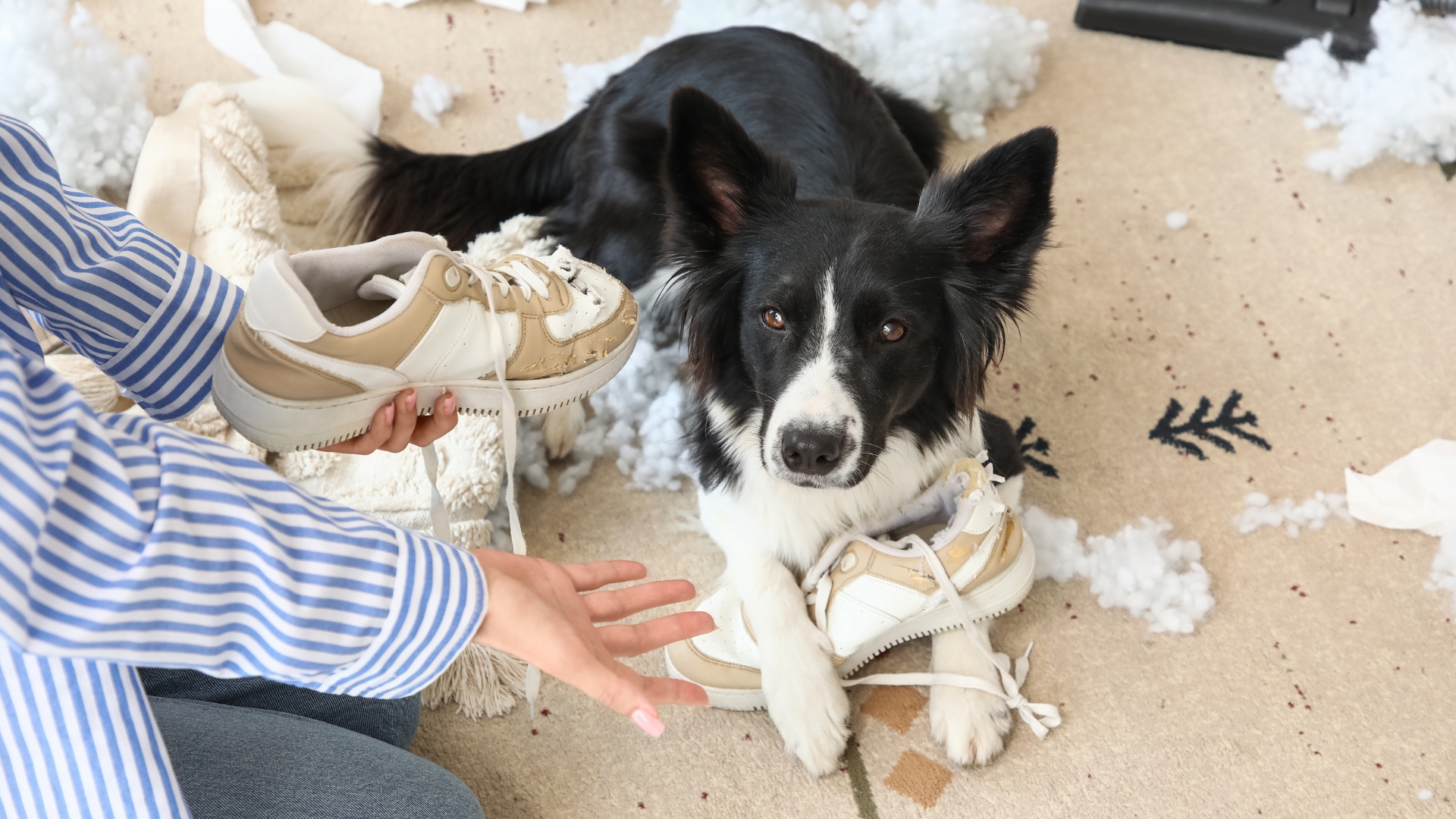
Manhattan Beach homeowners love their pets—dogs racing along the Strand, cats lounging in sun-soaked windows, and the occasional rabbit or guinea pig completing the family picture. But anyone who shares their home with furry, feathered, or scaled companions knows the reality: pets and pristine homes require serious strategy.
Between sandy paws tracking in beach debris, shedding that seems never-ending, pet odors that settle into fabrics, and the constant battle against hair tumbleweeds rolling across hardwood floors, pet owners face cleaning challenges that non-pet households never encounter. The coastal environment adds another layer of complexity—salt air, humidity, and the temptation to keep doors open for beach-loving dogs all impact how you maintain your home.
Cleaning West works with countless Manhattan Beach pet owners who’ve learned that loving animals and maintaining a beautiful home aren’t mutually exclusive goals. This guide provides practical, pet-safe cleaning strategies specifically designed for the unique challenges of keeping coastal homes fresh when pets are part of the family.
Quick Answer
Pet-friendly house cleaning in Manhattan Beach requires daily fur management, weekly deep vacuuming with HEPA filtration, enzyme-based cleaners for accidents, and non-toxic products safe for animals. Coastal pet owners face additional challenges from sandy paws and salt air accelerating odor issues. Effective strategies include designated pet zones, frequent grooming, immediate accident treatment, air purification, and monthly deep cleaning of pet-frequented areas using animal-safe methods.
Understanding Manhattan Beach Pet-Specific Challenges
Manhattan Beach pet ownership comes with environmental factors that amplify typical cleaning challenges.
Sand and salt complications: Dogs who visit the beach—and in Manhattan Beach, that’s most of them—track in wet sand that dries and disperses throughout your home. This sand is often mixed with salt water that, as it dries, leaves mineral deposits on floors, furniture, and anywhere paws touch. Unlike regular dirt, beach sand is fine-grained and works its way deep into carpet fibers, upholstery, and even hardwood floor cracks.
Humidity and odor intensification: Coastal humidity creates ideal conditions for pet odors to develop and linger. Damp fur, wet dog smell after beach visits, and general pet odors become more pronounced in humid conditions. Fabrics, carpets, and soft surfaces absorb these smells more readily in Manhattan Beach’s marine climate.
Indoor-outdoor lifestyle: The beautiful year-round weather encourages open doors and windows, which means pets track outdoor elements inside constantly. This isn’t a problem that happens occasionally—it’s daily reality for Manhattan Beach pet owners who want their animals to enjoy the coastal lifestyle.
Premium flooring and finishes: Many Manhattan Beach homes feature high-end hardwood, tile, or luxury vinyl that requires careful cleaning to maintain. Pet claws, accidents, and cleaning products can damage these surfaces if not handled properly. Finding cleaning methods that protect both your pet and your investment flooring requires knowledge and attention.
Allergies and air quality: Pet dander combines with ocean air particulates and pollen to create challenging conditions for family members with allergies. Effective cleaning must address airborne pet allergens, not just visible messes.
Daily Pet Maintenance Routines
Preventing overwhelming pet-related mess starts with consistent daily habits that take minimal time but deliver maximum impact.
Paw cleaning station: Establish a designated entry point where pets get wiped down before entering the main house. Keep towels, pet wipes, or a shallow basin with water near your most-used door. After beach visits, thoroughly wipe or rinse paws to remove sand and salt before it spreads throughout your home. This thirty-second habit prevents hours of cleaning later.
Quick daily vacuuming: High-traffic pet areas benefit from daily quick vacuums or sweeps. Focus on entryways, favorite lounging spots, and areas around food and water bowls. A cordless stick vacuum makes this task so fast and easy that it becomes automatic rather than burdensome.
Fur control: Keep a lint roller in every room pets frequent. Quick furniture passes remove surface fur before it works into fabric. Rubber gloves or damp microfiber cloths also effectively gather pet hair from upholstery and bedding with minimal effort.
Accident response protocol: Address any pet accidents immediately—within minutes if possible. The longer urine or other messes sit, the deeper they penetrate and the harder they become to remove. Keep enzyme cleaners readily accessible in multiple locations for rapid response.
Food and water area maintenance: Wipe down feeding areas daily. Dried food particles and water splashes create sticky residues that attract dirt and develop odors. Place washable mats under food and water bowls to contain spills and simplify cleanup.
Air circulation: Open windows when air quality permits to prevent pet odors from concentrating. Run ceiling fans to maintain airflow that helps disperse smells rather than letting them settle into fabrics and surfaces.
These daily habits take 10-15 minutes total but dramatically reduce deep cleaning requirements and keep your Manhattan Beach home feeling fresh despite furry residents.
Weekly Deep Cleaning for Pet Households
Once weekly, extend your cleaning efforts to maintain thorough cleanliness in pet areas.
Comprehensive vacuuming: Use a vacuum with HEPA filtration and strong suction designed for pet hair. Vacuum all floors, including hard surfaces where hair accumulates along edges and corners. Don’t forget:
- Under furniture where hair collects
- Stairs and stair edges
- Baseboards and moldings
- Upholstered furniture using appropriate attachments
- Pet beds and blankets
Furniture and fabric care: Remove pet hair from all furniture using vacuum attachments, lint rollers, or damp rubber gloves. Wash removable cushion covers monthly. Spot-clean any new stains or marks using pet-safe cleaners.
Floor deep cleaning: Mop hard floors with cleaners appropriate for your flooring type. For homes with frequent beach visits, floors may need mopping 2-3 times weekly rather than once. Use products that cut through salt residue and sand grit without damaging finishes.
Litter box area (for cat owners): Completely empty, clean, and sanitize litter boxes. Vacuum and mop the surrounding floor area. Wipe down walls near litter boxes where cats may kick litter. Replace litter box liners if used.
Pet toy and accessory cleaning: Wash fabric toys in hot water. Clean hard toys with pet-safe disinfectant. Wash food and water bowls thoroughly in hot soapy water or the dishwasher.
Odor elimination: Identify and treat any lingering odor sources. Sprinkle baking soda on carpets and upholstery, let sit for 15-30 minutes, then vacuum. This natural deodorizer absorbs smells without introducing chemicals.
Pet-Safe Cleaning Products for Manhattan Beach Homes
Protecting your pets while effectively cleaning requires careful product selection.
What to avoid:
- Bleach and chlorine-based cleaners (toxic to pets, especially cats)
- Ammonia products (smell similar to urine and may encourage pets to mark)
- Phenol-containing cleaners (especially dangerous for cats)
- Pine oil cleaners (toxic if ingested)
- Artificial fragrances that can irritate pet respiratory systems
Safe, effective alternatives:
Enzyme cleaners: These biological cleaners break down organic material like urine, feces, and vomit at the molecular level. Unlike cleaners that mask odors, enzymes eliminate the source. Essential for any pet household.
White vinegar solution: Equal parts white vinegar and water creates an effective, non-toxic cleaner for floors, counters, and most hard surfaces. The vinegar smell dissipates quickly, taking pet odors with it.
Baking soda: Natural deodorizer perfect for carpets, upholstery, and litter box areas. Completely safe if pets lick treated areas.
Castile soap: Plant-based soap that’s gentle yet effective for general cleaning. Dilute according to directions for floor cleaning, surface wiping, and even pet bathing.
Hydrogen peroxide (3%): Safe for most surfaces and effective for organic stain removal. Test on inconspicuous areas first as it can bleach some materials.
Steam cleaners: High-temperature steam kills bacteria and eliminates odors without any chemicals. Excellent for tile, sealed hardwood, and many other surfaces.
Always ensure pets can’t access areas being cleaned until surfaces are completely dry. Even pet-safe products shouldn’t be ingested in concentrated forms.
Tackling Pet Hair Like a Professional
Pet hair management separates amateur pet owners from those who’ve mastered coastal living with animals.
Prevention strategies: Regular grooming dramatically reduces shedding. Brush pets daily during heavy shedding seasons (spring and fall) and at least three times weekly year-round. This captures fur before it falls throughout your home. Consider professional grooming monthly for heavy-shedding breeds.
Specialized tools:
- HEPA vacuum cleaners: Essential for pet households. HEPA filtration captures fine pet dander and prevents it from recirculating through your home.
- Rubber brooms: Incredibly effective on carpet and upholstery. The rubber bristles create static that attracts hair, pulling it to the surface where it can be collected.
- Pet hair removal tools: Specialized tools like the ChomChom Roller or Fur-Zoff use mechanical action rather than adhesive to remove stubborn pet hair from furniture.
- Microfiber mops and cloths: These materials trap hair effectively rather than pushing it around.
Strategic furniture choices: If you’re furnishing or updating your Manhattan Beach home, consider pet-friendly options:
- Leather and faux leather furniture wipes clean easily and doesn’t trap hair
- Tightly woven fabrics shed hair better than loose weaves
- Furniture covers or washable throws protect primary pieces
- Darker colors or patterns camouflage hair between cleanings
Air quality management: Pet dander is lightweight and stays airborne for extended periods. Use air purifiers with HEPA filters in main living areas and bedrooms. Change HVAC filters monthly rather than quarterly in pet households. This protects both air quality and your heating/cooling system from pet hair damage.
Dealing with Pet Accidents and Stains
Even the best-trained pets have occasional accidents. Manhattan Beach homeowners need immediate response strategies that actually work.
Fresh accident protocol:
- Blot liquid thoroughly with paper towels—press firmly to absorb as much as possible
- Apply enzyme cleaner generously, ensuring it penetrates as deeply as the urine did
- Allow enzyme cleaner to sit for the recommended time (often 10-15 minutes)
- Blot again to remove excess moisture
- Allow area to air dry completely—don’t use heat which can set stains
- Assess whether additional treatment is needed once dry
Old or set-in stains: Dried stains require more intensive treatment. Saturate the area with enzyme cleaner and cover with plastic wrap to prevent evaporation. Allow it to work for several hours or overnight. The enzymes need time to break down organic material that has crystallized in carpet fibers or penetrated flooring.
For particularly stubborn stains on carpet, you may need to pull back carpet corners to treat both the carpet backing and subfloor. Urine can penetrate entirely through carpet into padding and even wood subflooring, requiring comprehensive treatment.
Hardwood floor accidents: Pet urine is particularly problematic on hardwood. Wipe up immediately and dry thoroughly. If urine has soaked into the wood, you may notice dark staining that indicates deeper penetration. These situations sometimes require professional refinishing, which is why immediate response is critical.
Tile and grout: Urine can penetrate grout lines, creating persistent odor even after surface cleaning. Grout sealant protects against this, but if odor persists, apply enzyme cleaner directly to grout and allow extended contact time.
When to call professionals: If odors persist despite thorough cleaning, urine may have penetrated subflooring or into wall materials (common with male dogs who mark vertically). Professional restoration services have specialized equipment including UV lights to locate all affected areas and industrial-strength treatments that eliminate odor at the source.
Managing Pet Odors in Coastal Homes
Manhattan Beach’s humidity makes odor control particularly challenging for pet owners.
Source elimination: Don’t just mask odors—find and eliminate sources. Common culprits include:
- Old pet beds that have absorbed years of smell
- Carpets harboring deep-set urine
- Fabric furniture that’s absorbed pet oils and dander
- Air ducts distributing pet dander throughout your home
- Unsealed grout or porous surfaces that have absorbed organic matter
Fabric and upholstery maintenance: Wash all pet bedding weekly in hot water. Use pet-safe enzymatic laundry additives designed to eliminate organic odors. Replace pet beds annually if odors persist despite washing.
For furniture that pets use, remove and wash cushion covers monthly. Steam clean upholstery quarterly using pet-safe cleaning solutions.
Carpet deep cleaning: Professional carpet cleaning every 6-12 months is essential for pet households. Home carpet cleaners rarely achieve the deep extraction that professional truck-mounted systems deliver. Inform the carpet cleaner about pets so they can use appropriate treatments and extraction techniques.
Natural odor absorbers:
- Place open boxes of baking soda in problem areas to absorb ambient odors
- Activated charcoal bags work similarly and can be reactivated by placing in sunlight
- Fresh air is the best deodorizer—open windows whenever possible to exchange stale indoor air
Ozone treatment: For severe, persistent odors, professional ozone treatment can be effective. However, this requires temporarily removing all living things (including pets and plants) from your home. Ozone breaks down odor molecules at the molecular level but must be used carefully according to professional protocols.
Room-by-Room Pet Cleaning Strategies
Different areas of your Manhattan Beach home require tailored approaches.
Entryways and mudrooms: These high-traffic zones take the biggest beating from pet traffic. Use durable, washable rugs to trap dirt and sand. Install hooks for leashes and shelving for pet supplies. Keep this area minimal so it’s easy to sweep, vacuum, and mop frequently. Consider tile or luxury vinyl flooring that handles moisture and abuse better than hardwood.
Living areas: Use throw blankets on furniture where pets lounge—these can be washed weekly. Keep lint rollers accessible for quick touch-ups. Vacuum at least twice weekly, more if pets shed heavily. Wipe baseboards monthly as pet dander settles on these surfaces.
Bedrooms: If pets sleep in bedrooms, wash all bedding (human and pet) weekly. Vacuum under beds where hair accumulates. Consider keeping bedroom doors closed if anyone has pet allergies, creating one pet-free zone for better sleep quality.
Kitchens: Establish pet feeding zones on washable mats. Clean the mat and floor area daily. Keep pets away from food prep areas. Pet hair in kitchens is particularly problematic, so vigilant vacuuming and mopping maintains hygiene.
Bathrooms: If you bathe pets at home, prevent drain clogs by using tub hair catchers. Rinse tubs thoroughly after pet baths to remove oils and hair. Keep bathrooms well-ventilated to prevent humidity from intensifying pet odors.
Outdoor spaces: Patios and yards require maintenance too. Regularly rinse outdoor areas where pets spend time. This prevents tracked dirt and reduces odor that can drift inside. Pick up waste immediately to prevent odor and pest problems.
When to Call Professional Cleaners
Manhattan Beach pet owners sometimes need professional help beyond their regular maintenance.
Situations requiring professional service:
Move-out cleaning: Landlords and new buyers expect homes free of pet evidence. Professional cleaners have specialized equipment and expertise to eliminate odor and hair completely.
Persistent odor problems: If you’ve tried everything and odors persist, professionals have industrial-strength treatments and equipment like ozone generators, UV lights for finding hidden stains, and commercial-grade extractors.
After extended illness: If a pet has been sick for an extended period, professional deep cleaning restores your home to baseline cleanliness while managing biohazard concerns appropriately.
Seasonal deep cleans: Many pet owners schedule professional cleaning quarterly or during heavy shedding seasons. Professionals achieve deeper extraction of hair and dander than homeowner equipment can match.
When life gets overwhelming: Sometimes you simply don’t have time to maintain the cleaning schedule pet ownership demands. Regular professional residential cleaning services in Manhattan Beach take the burden off your shoulders while ensuring your home stays fresh and healthy.
Preparing for guests: Before hosting events, professional cleaning ensures your home is guest-ready without visible or olfactory evidence of pets (beyond the pets themselves).
Professional cleaners experienced with pet households understand the unique challenges and have proven protocols for managing them. They bring equipment you probably don’t own and expertise developed over hundreds of pet homes.
Maintaining Coastal Homes with Pets Year-Round
Manhattan Beach’s seasons, while mild, still create varying challenges for pet-owning homeowners.
Spring considerations: Increased shedding as pets lose winter coats requires daily brushing and more frequent vacuuming. Pollen adds to the allergen load, so change HVAC filters more frequently and run air purifiers consistently.
Summer challenges: Hot weather means more beach visits and therefore more sand tracking. Keep rinse buckets or outdoor hoses ready for paw cleaning. Increased ventilation helps but also allows more outdoor debris inside. This is the season for most frequent floor cleaning.
Fall adjustments: Pets grow winter coats, which means continued shedding. Shorter days may mean wet morning or evening walks, so maintain your paw-wiping protocol even when not visiting the beach.
Winter factors: While Manhattan Beach winters are mild, occasional rain creates muddy paw situations. Keep extra towels ready during wet weather. Indoor time increases, concentrating pet activity and requiring more diligent cleaning.
Year-round consistency: The key to managing pets in your Manhattan Beach home is consistent routines rather than reactive emergency cleaning. Daily maintenance, weekly deep cleaning, and monthly intensive efforts create a manageable system that prevents overwhelming buildup.
Living Your Best Life with Pets in Manhattan Beach
Pets enrich our lives immeasurably—the greeting when you come home, the companionship during morning beach walks, the unconditional love that makes houses feel like homes. The cleaning challenges they present are simply part of the package, and with smart strategies, those challenges become completely manageable.
Your Manhattan Beach home can be both pet-friendly and beautiful. The two aren’t mutually exclusive when you implement effective cleaning routines, use appropriate products, and stay consistent with maintenance. Whether you handle cleaning yourself or bring in professional help, understanding pet-specific cleaning needs protects your investment property while creating a healthy, fresh environment for everyone—two-legged and four-legged family members alike.
For Manhattan Beach homeowners who want the joy of pet ownership without the stress of constant cleaning battles, professional home cleaning in Manhattan Beach offers practical solutions. At Cleaning West, we understand coastal pet homes because we clean them regularly. We know which products work and which don’t, how to eliminate beach sand thoroughly, and how to remove pet odors even in humid conditions.
Your pets deserve a clean home just as much as you do. Let’s make that happen together.