
Tackling Allergens: How Regular Cleaning Keeps Your Culver West Home Healthy
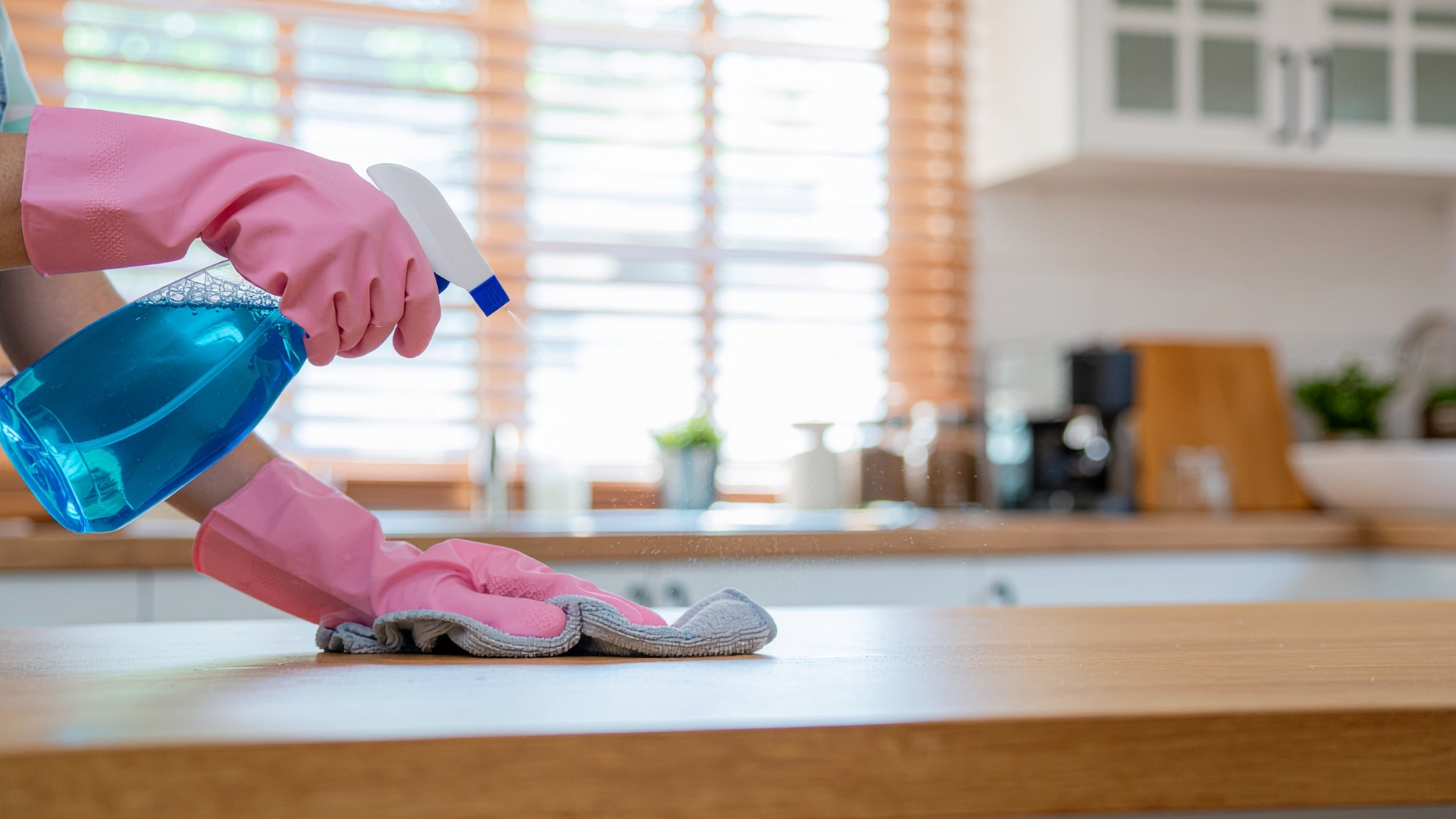
Sneezing, itchy eyes, congestion, and that perpetual stuffiness that makes your own home feel uncomfortable—these aren’t just seasonal nuisances for many Culver West residents. They’re daily realities caused by allergens lurking in carpets, settling on surfaces, and circulating through air systems. If you or your family members suffer from allergies or asthma, your home should be a refuge, not a trigger zone.
Culver West’s location creates specific allergen challenges. Proximity to busy streets like Sepulveda and Culver Boulevard means vehicle exhaust particulates. The area’s established trees provide beauty but also shed pollen. Local construction projects generate dust that settles throughout neighborhoods. Combined with typical indoor allergens like dust mites, pet dander, and mold, Culver West homes can become concentration zones for respiratory irritants.
The good news? Regular, strategic cleaning dramatically reduces allergen levels and creates genuinely healthier indoor environments. Cleaning West has helped countless Culver West families transform their homes from allergy triggers to comfortable sanctuaries. This guide explains exactly how cleaning impacts allergen levels and provides actionable strategies for creating a healthier home.
Quick Answer
Regular home cleaning reduces allergens by removing dust mites, pet dander, pollen, and mold before they accumulate to problematic levels. Effective allergen control requires weekly HEPA vacuuming, damp dusting to trap particles, washing bedding in hot water, controlling humidity, and maintaining HVAC systems. Culver West homes face unique challenges from urban dust and local pollen, making consistent cleaning routines essential for respiratory health. Professional cleaning every 2-4 weeks can reduce indoor allergen levels by 50-80%.
Understanding Allergens in Your Culver West Home
Before tackling allergens, understanding what you’re fighting helps you clean more effectively.
The primary culprits:
Dust mites: Microscopic creatures that thrive in bedding, upholstered furniture, and carpets. They feed on dead skin cells humans shed constantly. Their waste products are the actual allergen, becoming airborne and triggering reactions. Every home has dust mites—the question is whether their population reaches problematic levels.
Pet dander: Tiny flakes of skin shed by cats, dogs, and other furry pets. Dander is incredibly lightweight and stays airborne for extended periods, settling on every surface. Even homes without pets contain dander from previous residents or carried in on clothing.
Pollen: Outdoor allergen that infiltrates homes through open windows, on clothing, and attached to pets. Culver West’s tree-lined streets provide beautiful shade but also abundant pollen during blooming seasons. Once inside, pollen settles on surfaces and can remain allergenic for months.
Mold spores: Develop anywhere moisture and organic material combine—bathrooms, kitchens, basements, and around windows with condensation. Mold releases spores that become airborne and trigger allergic reactions. In Culver West’s variable humidity conditions, mold can develop quickly in appropriate conditions.
Cockroach allergens: Urban environments support cockroach populations whose droppings, saliva, and body fragments trigger severe allergic reactions. Even clean homes can have cockroach allergens if buildings have shared walls or if previous infestations occurred.
Why Culver West homes face specific challenges:
Urban particulate matter: High-traffic streets mean vehicle exhaust particulates that enter homes and settle on surfaces. These particles compound respiratory irritation beyond typical allergens.
Established landscaping: Mature trees throughout Culver West contribute significant seasonal pollen. While beautiful, this vegetation creates higher baseline pollen levels than newer developments.
Older building stock: Many Culver West homes and apartments date from decades past, potentially harboring accumulated allergens in insulation, ductwork, and wall cavities. Older HVAC systems may filter air less effectively than modern equivalents.
Proximity density: Closely spaced homes and shared walls in some areas mean neighbors’ allergen sources (pets, mold, dust) can affect your indoor environment.
How Regular Cleaning Reduces Allergen Load
Cleaning isn’t just about appearances—it’s about removing allergen sources before they accumulate to problematic levels.
Physical removal: Cleaning physically removes allergens from your home. HEPA vacuuming captures microscopic particles. Damp dusting traps allergens rather than dispersing them into air. Washing fabrics in hot water kills dust mites and removes accumulated allergens. Each cleaning session reduces total allergen load, and consistent cleaning prevents the overwhelming accumulation that occurs when maintenance lapses.
Disrupting allergen lifecycle: Dust mites reproduce quickly when undisturbed. Regular cleaning disrupts their lifecycle, preventing population explosions. Frequent cleaning removes the dead skin cells they feed on, creating inhospitable conditions for colonization.
Preventing mold establishment: Mold requires moisture, organic matter, and time to establish. Regular bathroom and kitchen cleaning removes the organic material mold feeds on and identifies moisture issues before mold develops.
Reducing cross-contamination: Allergens spread throughout homes as people and pets move around. Regular cleaning of high-traffic areas prevents this distribution, keeping allergens contained to smaller zones.
Improving air quality: Clean surfaces mean fewer allergens to become airborne. When HVAC systems circulate air through clean homes, they’re not constantly picking up and redistributing allergens from dirty surfaces.
The frequency factor: Studies show that homes cleaned weekly have 40-60% lower allergen levels than homes cleaned monthly. The difference between bi-weekly and monthly cleaning is less dramatic, but weekly cleaning provides optimal allergen control for sensitive individuals.
Essential Weekly Cleaning Tasks for Allergen Control
A structured weekly routine provides the foundation for allergen reduction in Culver West homes.
HEPA vacuuming (30-45 minutes): Vacuum all carpeted areas, rugs, and upholstered furniture using a vacuum with true HEPA filtration. Regular vacuums recirculate fine particles back into your air—HEPA filters capture particles as small as 0.3 microns, including pollen, dust mite waste, and pet dander.
Focus on:
- All carpets and area rugs
- Under furniture and beds
- Upholstered furniture, including between cushions
- Curtains and drapes
- Stairs and stair edges where dust accumulates
Vacuum slowly—quick passes don’t allow adequate suction time to pull allergens from deep within carpet fibers.
Damp dusting all surfaces (20-30 minutes): Use slightly damp microfiber cloths that trap dust rather than spreading it airborne. Dry dusting sends allergens floating through your home to resettle elsewhere—defeating the purpose entirely.
Dust:
- All horizontal surfaces (tables, counters, shelves, windowsills)
- Electronics and entertainment systems
- Picture frames and decorative items
- Ceiling fans and light fixtures
- Baseboards and door frames
Rinse microfiber cloths frequently while dusting and wash them after use—never reuse a dirty cloth.
Mopping hard floors (15-20 minutes): After vacuuming to remove loose debris, damp mop hard floors with appropriate cleaners. This captures fine allergen particles that vacuuming leaves behind.
Washing bedding (automated but necessary): Wash sheets, pillowcases, and mattress covers weekly in hot water (at least 130°F) to kill dust mites and remove accumulated allergens. This single intervention can reduce bedroom allergen exposure by 50% or more.
Bathroom cleaning (15-20 minutes): Thoroughly clean bathrooms to prevent mold development. Scrub tubs, showers, sinks, and toilets. Wipe down walls, mirrors, and fixtures. Ensure bathroom is well-ventilated after cleaning to dry completely.
Kitchen surface maintenance (10-15 minutes): Wipe counters, stovetops, and tables. Clean under appliances where food particles and moisture can attract pests whose allergens affect sensitive individuals.
This weekly routine totals approximately 90-130 minutes—less than two hours investment that dramatically improves indoor air quality for the entire week.
Monthly Deep Cleaning for Long-Term Allergen Control
Beyond weekly maintenance, monthly deep cleaning addresses allergen sources that don’t require weekly attention but shouldn’t be neglected long-term.
Window and sill cleaning: Windows collect pollen, dust, and outdoor pollutants. Clean glass, frames, and sills monthly. For Culver West homes near busy streets, this prevents accumulation of traffic-related particulates.
Washing window treatments: Curtains, blinds, and shades trap significant allergen loads. Wash or vacuum them monthly. For non-washable blinds, wipe each slat individually with damp microfiber cloths.
Deep carpet cleaning: While weekly vacuuming maintains surfaces, monthly deep cleaning with carpet cleaning machines extracts allergens from deep within carpet fibers. Rent equipment or hire professionals for this deeper intervention.
Mattress and upholstery vacuuming: Beyond weekly bedding washing, vacuum mattresses, box springs, and upholstered furniture thoroughly monthly using vacuum attachments designed for fabric surfaces.
Air vent and return cleaning: Remove vent covers and vacuum inside air ducts as far as you can reach. Wipe down vent covers themselves. This prevents HVAC systems from continuously redistributing accumulated allergens.
Behind and under furniture: Move furniture to vacuum and clean areas typically inaccessible during weekly cleaning. Dust accumulates significantly in these hidden zones.
Washing pillows and comforters: Most pillows and comforters are machine washable. Follow care labels and wash monthly to remove accumulated dust mites and dander.
Baseboards and molding detail: Thoroughly wipe all baseboards, door frames, and molding. These horizontal and ledge surfaces collect significant dust that becomes airborne with air circulation or movement.
Light fixture cleaning: Remove light fixture covers and wash them. Dust dead bugs and accumulated debris from inside fixtures.
These monthly tasks add 2-3 hours to your cleaning routine but address allergen accumulation points that weekly cleaning doesn’t fully manage.
Allergen-Reduction Cleaning Techniques
How you clean matters as much as how often you clean. Certain techniques maximize allergen removal while others inadvertently spread allergens throughout your home.
Always use HEPA filtration: Non-HEPA vacuums capture large debris but exhaust fine allergen particles back into your air. HEPA filtration is non-negotiable for allergen control. If purchasing a vacuum, prioritize true HEPA filtration over all other features.
Damp methods over dry: Wet or damp cleaning traps allergens. Dry methods make them airborne. Use damp mops, slightly damp dusting cloths, and wet surface cleaning whenever possible.
Top-to-bottom cleaning sequence: Always clean high surfaces before low surfaces so falling dust and allergens are captured during later cleaning phases. Vacuum and mop floors last, after all higher surfaces have been addressed.
Microfiber over cotton: Microfiber cloths’ structure traps particles far more effectively than cotton rags or paper towels. The fine fibers create surface area that mechanically captures microscopic allergens.
Hot water washing: Water below 130°F doesn’t kill dust mites. If bedding care labels allow, wash in hot water. For items requiring cold water, add dust mite-killing laundry additives to compensate.
Immediate containment: When vacuuming, empty canisters or change bags outside to prevent allergens from re-entering your home. If emptying inside is unavoidable, do it directly into an outdoor trash bag that seals immediately.
Ventilation during cleaning: Open windows while cleaning (when outdoor air quality is good) to allow displaced allergens to escape rather than recirculate. However, if you’re allergic to outdoor pollen, this creates a trade-off requiring judgment based on your specific sensitivities.
Wear a mask: If you’re the sensitive individual doing the cleaning, wear an N95 or similar mask. Cleaning temporarily increases airborne allergen levels, and protecting yourself during the process prevents reactions.
Controlling Humidity to Prevent Mold and Dust Mites
Both mold and dust mites thrive in humid conditions, making humidity control essential for allergen management in Culver West homes.
Optimal humidity range: Maintain indoor humidity between 30-50%. Below 30% causes dry air issues; above 50% promotes dust mite reproduction and mold growth.
Monitoring humidity: Inexpensive hygrometers measure indoor humidity accurately. Place them in bedrooms, bathrooms, and main living areas to identify problem zones.
Dehumidification strategies:
- Run air conditioning during humid periods—AC naturally dehumidifies
- Use standalone dehumidifiers in persistently humid rooms
- Ensure bathrooms and kitchens vent to the outside, not into attics or wall spaces
- Run exhaust fans during and after showers or cooking
- Fix any water leaks immediately
- Improve ventilation in damp areas
Preventing moisture accumulation:
- Don’t over-water indoor plants
- Ensure clothes dryers vent properly to the outside
- Address any roof leaks or plumbing issues promptly
- Keep gutters clean to prevent water infiltration
- Use bathroom exhaust fans during showers
- Avoid hanging wet laundry indoors to dry
For Culver West residents, coastal proximity can mean higher baseline humidity than inland LA neighborhoods. Active humidity management prevents the allergen problems that develop in consistently damp indoor environments.
HVAC System Maintenance for Cleaner Air
Your heating and cooling system either improves or undermines your allergen control efforts depending on how well maintained it is.
Filter replacement: Change HVAC filters monthly, or at least every three months for high-quality filters. Dirty filters lose effectiveness and may even release trapped allergens back into your air. Use filters rated MERV 8-13 for allergen capture—higher ratings may restrict airflow in systems not designed for them.
Duct cleaning: Professional duct cleaning every 3-5 years removes accumulated dust, mold, and allergens from your air distribution system. This is especially important in older Culver West homes where ductwork may harbor years or decades of buildup.
Seal duct leaks: Leaky ducts pull in attic or wall cavity air containing insulation particles, dust, and potential mold. Professional duct sealing improves efficiency while reducing allergen infiltration.
Consider air purifiers: Portable HEPA air purifiers in bedrooms and main living areas continuously filter circulating air, capturing allergens that cleaning inevitably misses. Size purifiers appropriately for room dimensions—undersized units can’t process enough air volume to make meaningful differences.
UV light systems: Some HVAC systems can be retrofitted with UV lights that kill mold, bacteria, and viruses circulating through ductwork. While not essential, these systems add another layer of air quality improvement for severely sensitive individuals.
Professional inspection: Annual HVAC servicing identifies issues affecting air quality—mold in drip pans, dirty coils, damaged ductwork, or system inefficiencies that compromise filtration.
Pet Ownership and Allergen Management
For Culver West families with pets, allergen control requires additional diligence without sacrificing the joy animals bring to homes.
Regular pet grooming: Brush pets daily, preferably outdoors, to capture shedding fur before it disperses throughout your home. Professional grooming monthly reduces dander loads significantly. Bathe pets weekly or bi-weekly if they tolerate it—this removes accumulated dander before shedding.
Pet-free zones: Designate bedrooms as pet-free spaces. Sleeping in allergen-reduced environments gives your respiratory system eight hours of relief nightly, significantly improving overall symptoms.
Washable pet bedding: Use easily washable pet beds and blankets. Wash them weekly in hot water to remove accumulated dander, fur, and odors.
HEPA vacuum persistence: Pet households require more frequent vacuuming—daily in severe cases, every other day at minimum. HEPA filtration is absolutely essential, not optional, when pets live indoors.
Air purifier placement: Place HEPA air purifiers in rooms where pets spend the most time. This continuously captures airborne dander that inevitably escapes even the most diligent cleaning routines.
Hard flooring over carpet: If renovating or choosing housing, hard flooring is dramatically easier to keep allergen-free than carpet. Pet dander embeds deep in carpet fibers despite regular vacuuming, while hard floors can be thoroughly cleaned with damp mopping.
Many Culver West residents successfully manage pet allergies without eliminating beloved animals. The key is acknowledging that pet ownership requires significantly more cleaning effort and committing to the necessary routines.
When Professional Cleaning Makes Sense for Allergen Control
Sometimes professional intervention delivers results that DIY efforts can’t match, particularly for allergy sufferers.
Professional advantages:
Superior equipment: Professional-grade vacuums, carpet cleaners, and air scrubbers achieve deeper allergen extraction than consumer equipment. The difference in particle capture between consumer and professional HEPA systems is substantial.
Expertise and technique: Professionals understand how allergens distribute through homes and clean accordingly. Their systematic approaches ensure nothing gets overlooked, while homeowners often miss hidden accumulation points.
Time and energy: Thorough allergen-reduction cleaning takes significant time and physical effort. For busy Culver West families or individuals with health limitations, professional services accomplish in 2-3 hours what might take homeowners 6-8 hours—or might not happen at all due to time constraints.
Consistency: Scheduled professional residential cleaning services in Culver West ensure cleaning happens consistently regardless of your schedule chaos, illness, or other life demands. Allergen control requires consistency that many people struggle to maintain independently.
Deep intervention: For individuals suffering severe allergies, professional deep cleaning provides a clean slate—removing years of accumulated allergens so maintenance cleaning (professional or DIY) can keep levels manageable going forward.
Recommended frequency: For allergen control, professional cleaning every two weeks provides excellent results. Monthly professional cleaning supplemented by basic weekly owner maintenance (vacuuming, dusting, bedding washing) offers a middle-ground approach balancing cost and effectiveness.
At Cleaning West, we’ve seen dramatic improvements in clients’ allergy symptoms after implementing regular professional cleaning schedules. Families report better sleep, reduced medication needs, and overall improved quality of life simply from reducing household allergen loads through consistent, thorough cleaning.
Measuring Your Success
Tracking improvement helps you understand whether your allergen-control efforts are working.
Subjective measures:
- Reduced frequency of allergy symptoms
- Better sleep quality
- Less need for allergy medications
- Improved breathing, especially at night
- Reduced morning congestion
- Clearer thinking (allergens impact cognitive function)
Objective measures:
- Visible dust accumulation between cleanings decreases
- Allergy medication usage declines
- Doctor-measured lung function improves for asthma sufferers
- Home air quality monitors show improved particulate levels
For severe allergy sufferers, tracking daily symptoms in a journal helps identify whether cleaning interventions are making measurable differences. Some individuals see improvement within days, while others require 2-4 weeks of consistent cleaning before significant symptom reduction occurs.
If diligent cleaning for 4-6 weeks doesn’t improve symptoms, consult allergists about other interventions—allergen control through cleaning works, but sometimes immunotherapy or other medical approaches are also necessary for complete management.
Creating Your Sustainable Allergen-Control Routine
Long-term allergen management requires systems that fit realistically into your life.
Start with priorities: If thoroughness feels overwhelming, focus on bedrooms first. Spending eight hours nightly in reduced-allergen environments provides disproportionate benefit. Once bedroom routines feel manageable, expand to living areas.
Involve the whole household: Allergen control shouldn’t fall entirely on one person. Divide tasks among household members—children can learn to remove shoes at the door, family members can commit to weekly bedding changes, everyone can use entrance mats.
Invest in the right tools: Quality HEPA vacuum, washable microfiber cloths, adequate laundry capacity for frequent bedding washing—proper tools make cleaning faster and more effective. The initial investment pays ongoing dividends.
Schedule like appointments: Treat cleaning tasks as non-negotiable appointments. “Saturdays at 9am” for vacuuming creates habits that persist. Vague intentions (“I’ll clean this week”) fail when life gets busy.
Consider professional help: If DIY allergen control feels unsustainable, professional cleaning services provide the consistency allergen management requires. For many Culver West families, this investment in health pays returns far beyond the monetary cost.
Breathing Easier in Your Culver West Home
Your home should be your refuge—the place where you breathe easiest, sleep best, and feel most comfortable. For allergy sufferers, achieving that reality requires understanding how allergens accumulate and implementing cleaning strategies that genuinely reduce their presence.
The good news is that regular, strategic cleaning dramatically improves indoor allergen levels. You don’t need exotic equipment or toxic chemicals—you need consistent routines, proper techniques, and appropriate tools. The difference between a home that triggers constant symptoms and one that provides relief often comes down to these systematic cleaning approaches.
For Culver West residents navigating urban allergens, local pollen, and the universal indoor allergen sources every home harbors, taking control of your indoor environment is empowering. Whether you implement these strategies yourself or partner with professional home cleaning in Culver West, reducing allergen loads is achievable and life-changing.
At Cleaning West, we understand that for allergy sufferers, cleaning isn’t about appearances—it’s about health. We bring allergen-focused expertise to every home we clean, using techniques and products specifically chosen to reduce irritants rather than redistribute them. Your comfort and health matter, and your home can be the sanctuary it should be.
Breathe easier. Sleep better. Live more comfortably. It starts with understanding allergens and continues with the cleaning strategies that control them.