
Why Sawtelle Restaurants & Cafes Need Professional Cleaning Services
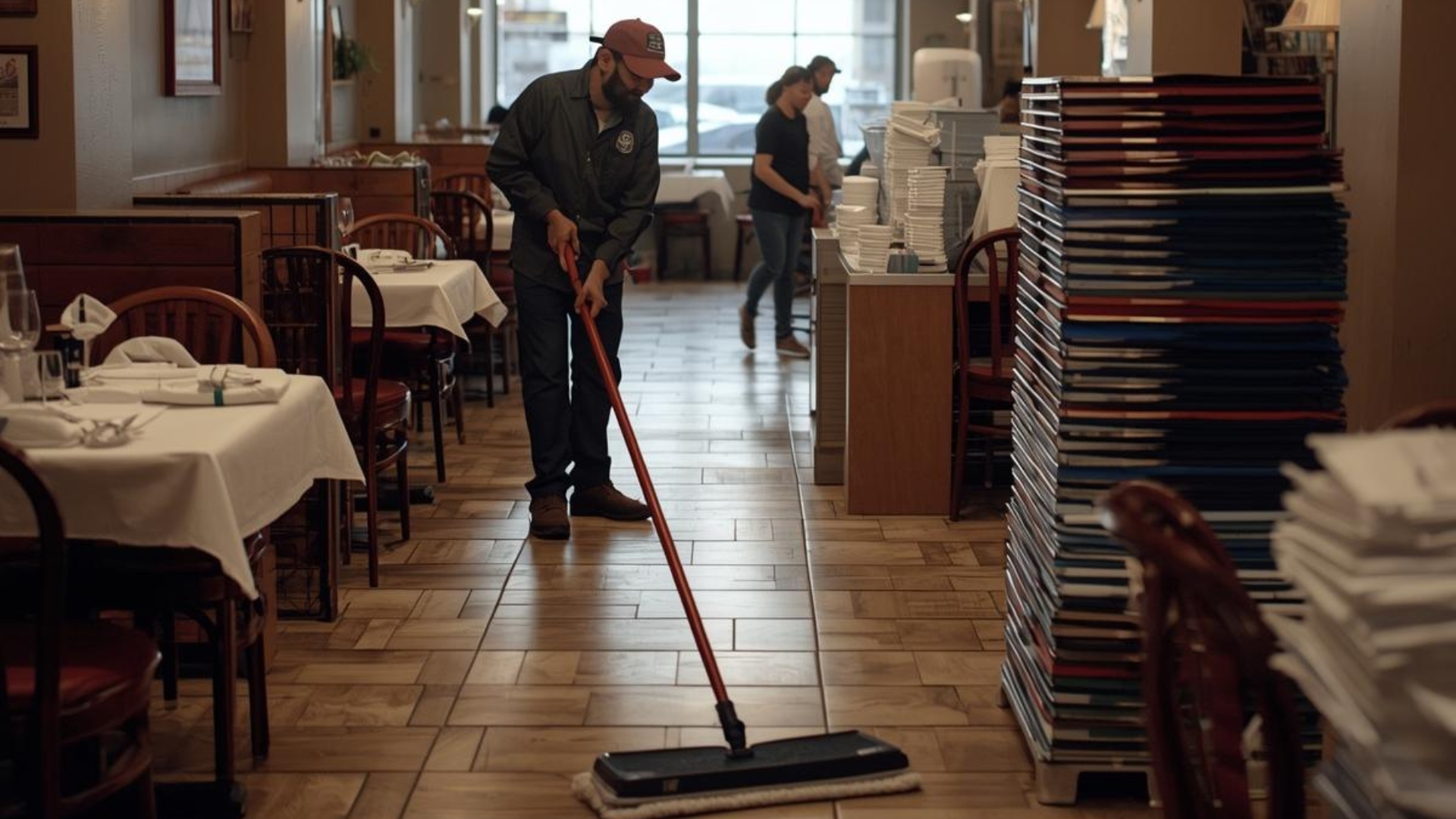
Sawtelle Boulevard’s vibrant dining scene—from ramen shops and sushi bars to trendy cafes and bakeries—thrives on reputation, customer experience, and meeting Los Angeles County’s stringent health standards. In a neighborhood where culinary excellence meets Instagram-worthy aesthetics, cleanliness isn’t just about passing health inspections. It’s about creating environments that justify premium prices, generate social media buzz, and build loyal customer bases in one of LA’s most competitive dining corridors.
Yet many Sawtelle restaurant and cafe owners attempt to manage cleaning with untrained staff between shifts, relying on servers and cooks to scrub bathrooms, mop floors, and maintain dining areas after exhausting service hours. This approach inevitably leads to inconsistent results, health code violations, employee burnout, and the gradual degradation of spaces that customers expect to be immaculate. The gap between “we cleaned it” and genuinely professional cleanliness is the difference between thriving businesses and those struggling with negative reviews and declining foot traffic.
Cleaning West works extensively with Sawtelle’s restaurant community, understanding both the specific challenges of food service environments and what professional commercial cleaning delivers that DIY approaches simply cannot match. This guide explores exactly why professional cleaning services aren’t a luxury for Sawtelle restaurants and cafes—they’re essential infrastructure for sustainable success.
Quick Answer
Sawtelle restaurants and cafes need professional cleaning services to maintain health code compliance, protect food safety, create consistently positive customer experiences, preserve valuable equipment and finishes, and allow staff to focus on their actual roles rather than cleaning. Professional services provide trained expertise, commercial-grade equipment, systematic approaches, and accountability that untrained staff working after-hours cannot replicate. The investment ($500-$2,000+ monthly depending on size and frequency) returns value through avoided health violations ($500-$25,000+ in fines), protected reputation, reduced staff turnover, and maintained property value.
The Real Cost of DIY Restaurant Cleaning
Most Sawtelle restaurant owners significantly underestimate the true cost of handling cleaning without professional services.
Staff time and opportunity cost:
When servers, bussers, or kitchen staff clean after closing:
Hourly wage cost: If two employees spend 90 minutes nightly on closing cleaning at $18/hour, that’s $54 daily or $1,620 monthly. Professional services might cost $800-1,200 monthly while delivering superior results—meaning you’re paying more for inferior cleaning while exhausting your staff.
Productivity loss: Staff cleaning after shifts aren’t:
- Properly trained in commercial cleaning techniques
- Using professional-grade equipment
- Following systematic protocols
- Motivated to deliver quality (they’re exhausted and want to go home)
- Held accountable for results
This predictably leads to inconsistent, inadequate cleaning that professional services complete faster and better.
Employee burnout: Requiring service or kitchen staff to clean extensively after grueling shifts:
- Increases turnover (costing $3,000-5,000 per replacement)
- Reduces morale
- Creates resentment
- Reduces effectiveness in their actual roles
- Leads to rushed, inadequate cleaning just to finish and leave
Health code violation risks:
The consequences of inadequate cleaning in food service are severe:
Minor violations: $100-500 fines, required re-inspection Major violations: $1,000-5,000+ fines, potential temporary closure Critical violations: $5,000-25,000+ fines, mandatory closure, legal liability
A single major health violation costs multiples of annual professional cleaning services while devastating reputation.
Reputation damage:
In Sawtelle’s social media-driven dining culture:
Online reviews: Customers posting about dirty bathrooms, grimy tables, or visible kitchen issues create permanent reputation damage. Negative reviews directly reduce foot traffic and revenue.
Health inspection reports: Public health inspection scores appear on restaurant windows and online. Poor scores (often due to cleaning issues) deter customers who have endless dining alternatives.
Word-of-mouth: In the tight-knit Sawtelle community, reputation for cleanliness (or lack thereof) spreads quickly among residents and food enthusiasts.
Social media: One viral post about uncleanliness can devastate business overnight. Professional cleaning prevents these reputation disasters.
Equipment degradation:
Inadequate cleaning accelerates expensive equipment breakdown:
Kitchen equipment: Grease buildup damages ventilation systems, ovens, and cooking equipment—repairs cost thousands and force service interruptions.
Dining furniture: Tables, chairs, and booths without proper maintenance degrade faster, requiring premature replacement at significant cost.
Flooring: Improper floor care damages surfaces requiring expensive refinishing or replacement.
Fixtures and finishes: Bathrooms, bars, and dining areas without professional maintenance deteriorate, forcing costly renovations sooner than necessary.
The honest calculation:
DIY approach monthly cost:
- Staff cleaning time: $1,200-2,000
- Inadequate results: Ongoing health violation risk
- Equipment degradation: Accelerated replacement needs
- Reputation risk: Potential catastrophic review damage
- Staff turnover increase: $500-1,000 monthly amortized cost
Total real cost: $2,000-4,000+ monthly when all factors are calculated honestly
Professional cleaning monthly cost:
- Service fees: $800-1,500
- Superior results: Dramatically reduced violation risk
- Equipment protection: Extended lifespan
- Reputation protection: Positive reviews
- Staff retention: Improved morale
Total real cost: $800-1,500 monthly with dramatically better outcomes
The math strongly favors professional services for any serious restaurant or cafe operation.
Health Code Compliance: Professional Expertise Matters
Los Angeles County Environmental Health maintains some of the nation’s strictest restaurant sanitation standards. Compliance requires expertise that untrained staff simply don’t possess.
What health inspectors actually check:
Food contact surfaces: Cutting boards, prep tables, equipment—must be sanitized properly with correct concentrations and contact times. Untrained staff often don’t understand sanitizer chemistry.
Cross-contamination prevention: Proper separation of raw and cooked food areas, appropriate cleaning between uses. Professional cleaners understand food safety protocols.
Grease and soil accumulation: Walls, floors, equipment, and ventilation systems must be free of buildup. Amateur cleaning leaves residue that accumulates and violates codes.
Restroom sanitation: Bathroom cleanliness, functioning fixtures, soap and paper supplies, proper waste disposal. Substandard bathroom cleaning frequently causes violations.
Pest prevention: Proper cleaning eliminates food sources and harborage for pests. Inadequate cleaning inevitably leads to infestations triggering closure orders.
Floors and drains: Proper floor cleaning and drain maintenance prevent health hazards. Amateur approaches allow buildup in floor-wall junctions and drains.
Professional cleaning advantages:
Trained expertise: Professional cleaners understand:
- Proper sanitizer concentrations and contact times
- Food safety zones and cross-contamination prevention
- Health code requirements specific to food service
- Problem areas inspectors scrutinize
- Commercial cleaning chemistry and techniques
Systematic approaches: Professional services follow checklists ensuring nothing gets overlooked. Staff cleaning after exhausting shifts inevitably miss areas.
Appropriate products: Professional services use commercial-grade products meeting health code standards—not consumer cleaners inadequate for food service environments.
Documentation: Professional services provide cleaning logs valuable during inspections, demonstrating systematic sanitation protocols.
Consistency: Professional cleaning happens reliably regardless of staff fatigue, scheduling, or turnover. DIY cleaning quality fluctuates wildly based on who’s working and how tired they are.
Specialized services:
Beyond daily cleaning, restaurants need periodic deep services:
Hood and vent cleaning: Required quarterly or semi-annually by fire code and health department. Professional services have specialized equipment and expertise.
Deep kitchen cleaning: Behind and under equipment, walls, ceilings—areas impossible to maintain with nightly staff cleaning.
Floor stripping and refinishing: Proper floor maintenance requires professional equipment and expertise to maintain non-slip, sanitary surfaces.
Equipment sanitization: Deep cleaning of ice machines, beverage dispensers, refrigeration—professional services prevent buildup that causes health violations and equipment failure.
Customer Experience: Clean Environments Drive Revenue
In Sawtelle’s competitive dining landscape, customer experience determines success or failure. Cleanliness is foundational to positive experiences.
First impressions at entry:
Customers form judgments within seconds:
Entrance cleanliness: Dirty entry doors, floors, or windows immediately suggest poor standards. Professional cleaning maintains pristine first impressions.
Host stand area: Visible dust, clutter, or grime at the host stand sets negative tone before customers sit down.
Initial sight lines: What customers see from the entrance—are dining areas, bar, and visible kitchen areas immaculate or questionable?
Odors: Any unpleasant smells (bathroom odors, grease, staleness) instantly reduce appetite and comfort. Professional cleaning addresses odor sources rather than masking them.
Dining area standards:
Table and seating: Beyond post-dining wipe-downs, tables, chairs, and booths need deep cleaning removing accumulated grime, stickiness, and stains. Professional services maintain furniture that looks and feels clean.
Floors: Spotless, non-sticky floors throughout dining areas. Amateur mopping often leaves residue and tackiness. Professional equipment and techniques deliver actually-clean floors.
Windows and glass: Streak-free windows, glass partitions, and mirrors create bright, inviting atmosphere. Smudged, streaky glass looks unprofessional and dingy.
Overall impression: Well-lit, sparkling clean dining spaces justify premium prices and generate positive social media content. Slightly grimy spaces—even if technically clean enough—feel cheaper and reduce perceived value.
Bathroom cleanliness:
Bathrooms disproportionately impact restaurant reputation:
The bathroom test: Customers judge overall cleanliness by bathroom condition. If bathrooms are spotless, they assume kitchens are too. Dirty bathrooms create opposite assumption—regardless of actual kitchen standards.
Multiple daily cleaning: High-traffic Sawtelle restaurants need bathroom attention multiple times daily, not just at closing. Professional services often include mid-service touch-ups or can be scheduled accordingly.
Deep sanitation: Grout, fixtures, floors, walls—professional cleaning addresses these detailed areas that staff wipe-downs miss.
Supply maintenance: Properly stocked soap, paper products, and functioning fixtures. Professional services often handle inventory checks as part of service.
Social media impact:
Sawtelle’s dining scene thrives on Instagram, Yelp, and Google reviews:
Photo-worthy spaces: Customers photograph meals, dining areas, and overall ambiance. Spotlessly clean, well-maintained spaces generate positive content. Visible grime appears in backgrounds, creating negative impressions.
Review content: Cleanliness is among the most mentioned factors in restaurant reviews—both positive and negative. Professional cleaning protects five-star ratings.
Influencer visits: Food bloggers and influencers frequent Sawtelle. Their content reaches thousands. Immaculate environments generate positive coverage; any cleanliness issues get amplified.
Staff Morale and Operational Efficiency
Professional cleaning services impact operations beyond just cleanliness outcomes.
Respecting staff roles:
Chefs and cooks: Hired to create excellent food, not scrub floors and bathrooms after exhausting shifts. When cleaning duties burden culinary staff, you either:
- Pay skilled workers to do unskilled work (inefficient)
- Hire cheaper workers willing to clean (lower culinary skill)
- Burn out talented staff who leave for better conditions
Servers and front-of-house: Hired to provide excellent service, manage customers, and maximize satisfaction. Extensive cleaning duties after shifts:
- Reduce service quality during actual operating hours (tired staff)
- Increase turnover (servers find positions without heavy cleaning expectations)
- Reduce tips (exhausted servers provide worse service)
Productivity and focus:
Role clarity: When job descriptions include extensive cleaning, you attract different caliber candidates and muddy performance expectations.
Energy allocation: Staff fresh for service deliver better customer experiences than those mentally/physically exhausted from previous night’s cleaning marathon.
Professional development: Staff investment in learning culinary or service skills (rather than how to mop effectively) improves your operation more meaningfully.
Turnover reduction:
Restaurant industry already suffers high turnover. Reducing cleaning burdens improves retention:
Replacement costs: Each employee replacement costs $3,000-5,000 in:
- Recruiting and hiring time
- Training investment
- Reduced productivity during onboarding
- Mistakes and waste from inexperience
Reducing turnover by even 10-20% through improved working conditions (including not requiring extensive cleaning) saves thousands monthly.
Morale and culture:
Respect and professionalism: Providing professional cleaning services demonstrates you value staff time and well-being. This builds loyalty and positive culture.
Reduced resentment: Staff required to extensively clean after shifts often resent management, especially when seeing restaurants that hire professional cleaners. This resentment damages culture and performance.
Safety considerations:
Injury risk: Tired staff cleaning with inadequate training and equipment risk injury—slips, falls, chemical exposure, repetitive strain. Workers’ comp claims cost far more than professional cleaning services.
Proper equipment: Professional cleaners have appropriate tools, protective equipment, and training. Expecting staff to deep clean with consumer supplies increases risk.
Sawtelle-Specific Considerations
The neighborhood’s characteristics create particular cleaning needs and challenges.
High-volume operations:
Sawtelle Boulevard restaurants often experience intense foot traffic:
Faster accumulation: High-volume operations accumulate dirt, grease, and wear faster than lower-traffic establishments. Professional daily or multiple-times-weekly cleaning maintains standards impossible with staff-only approaches.
Peak cleanliness timing: Lunch and dinner rushes demand peak cleanliness. Professional morning cleaning ensures lunch service starts perfectly. Mid-day or evening services can reset between lunch and dinner.
Small footprint challenges:
Many Sawtelle restaurants operate in compact spaces:
Intensive use: Every square foot sees heavy use, meaning entire space needs thorough attention, not just high-traffic zones.
Visible everything: In intimate dining spaces, customers see more detail. Professional cleaning addresses this heightened visibility.
Kitchen visibility:
Many Sawtelle restaurants feature open or partially visible kitchens:
Customer line-of-sight: Customers see kitchen areas, making kitchen cleanliness part of dining area standards, not just back-of-house concern.
Transparency expectations: Open kitchens promise cleanliness and quality. Professional cleaning ensures these spaces meet customer scrutiny.
Diverse cuisine types:
Sawtelle’s culinary diversity creates varied cleaning challenges:
Ramen and noodle shops: Steam, humidity, and frequent spills require specialized floor and surface care.
Sushi restaurants: Highest sanitation standards given raw fish handling. Professional services understand these critical requirements.
Cafes and bakeries: Crumb control, display case cleaning, and maintaining bright, clean aesthetics crucial for these environments.
Korean BBQ and grill concepts: Grease management, ventilation cleaning, and table maintenance far beyond typical restaurant needs.
Professional services adapt approaches to each cuisine type’s specific challenges.
Competitive environment:
Sawtelle’s restaurant density means:
Customer choices: Diners have endless alternatives within blocks. Any cleanliness disappointment sends them to competitors.
Reputation comparison: Customers compare cleanliness across multiple Sawtelle establishments. Standards set by cleanest competitors become baseline expectations.
Social media scrutiny: Food-focused neighborhood means heightened social media attention. Cleanliness issues spread quickly.
Property types:
Older buildings: Many Sawtelle restaurants occupy older structures requiring more intensive maintenance.
Shared buildings: Restaurants sharing buildings with other businesses need extra attention to common areas reflecting on their business.
Landlord relationships: Professional cleaning protects properties, maintaining positive landlord relationships crucial for lease renewals and favorable terms.
Choosing the Right Commercial Cleaning Service
Not all cleaning services understand restaurant and cafe specific needs. Selecting the right partner matters enormously.
Restaurant-specific experience:
Critical requirement: Services must have food service experience understanding:
- Health code requirements
- Food safety protocols
- Commercial kitchen cleaning
- High-traffic restaurant challenges
- Equipment care specific to food service
Generic office cleaning services lack this essential expertise.
Verification questions:
Credentials and compliance:
- “Are you licensed, insured, and bonded?”
- “Do you conduct background checks?” (crucial for access to inventory and equipment)
- “Do you understand LA County health code requirements?”
- “Can you provide references from other Sawtelle restaurants?”
Service specifics:
- “What’s included in restaurant cleaning vs. what costs extra?”
- “Do you provide supplies or do we supply them?”
- “How do you handle scheduling around our operating hours?”
- “Can you provide mid-service cleaning if needed?”
- “Do you offer deep cleaning services (hoods, floors, equipment)?”
Quality and accountability:
- “Do you guarantee your work?”
- “What happens if we’re not satisfied?”
- “Do supervisors inspect work or do individual cleaners work unsupervised?”
- “How do you handle employee turnover—will we constantly deal with new, untrained cleaners?”
Scheduling flexibility:
Operating hours coordination: Services must work around your schedule—after closing, before opening, or during down times without disrupting operations.
Frequency options: Daily, multiple times weekly, weekly, or custom schedules matching your volume and needs.
Emergency availability: Can they handle special situations—post-event deep cleaning, pre-inspection services, or addressing urgent issues?
Appropriate pricing:
Typical Sawtelle restaurant costs:
Small cafe/quick-service (under 1,500 sq ft):
- Daily light cleaning: $500-800/month
- 3-4x weekly: $400-600/month
- Deep cleaning: $300-600/service
Medium restaurant (1,500-3,000 sq ft):
- Daily cleaning: $800-1,500/month
- 3-4x weekly: $600-1,000/month
- Deep cleaning: $600-1,200/service
Large restaurant (3,000+ sq ft):
- Daily cleaning: $1,500-2,500+/month
- 3-4x weekly: $1,000-1,800/month
- Deep cleaning: $1,200-2,500+/service
Prices vary based on exact size, complexity, kitchen type, and specific service requirements.
Red flags:
- Prices dramatically below market (likely cutting corners on insurance, training, or background checks)
- Unwillingness to provide proof of insurance and bonding
- No restaurant-specific experience or references
- Vague service descriptions
- Poor communication or unprofessionalism
- Pressure tactics or requiring long-term contracts upfront
Making the Investment Decision
For Sawtelle restaurant and cafe owners weighing whether professional cleaning justifies the cost, consider the complete picture.
Direct cost comparison:
DIY approach:
- Staff time: $1,200-2,000/month
- Inadequate results: Health violation risk
- Reputation exposure: Review damage potential
- Equipment degradation: Accelerated replacement
- Staff turnover: Increased recruitment costs
Professional service:
- Service fees: $800-1,500/month
- Superior results: Minimal violation risk
- Reputation protection: Positive reviews
- Equipment preservation: Extended lifespan
- Staff retention: Improved morale
Return on investment:
Avoiding single health violation pays for months of service: One major violation ($1,000-5,000 fine) equals 1-6 months of professional cleaning costs—without counting reputation damage.
Positive reviews drive revenue: Five-star reviews mentioning cleanliness directly increase customer traffic and spending. The revenue impact of maintaining excellent reputation exceeds cleaning costs.
Equipment lifespan: Proper maintenance extends expensive equipment life by years, saving tens of thousands in premature replacement.
Staff retention: Reducing turnover by even one employee annually saves $3,000-5,000, covering months of professional cleaning.
Competitive advantage:
In Sawtelle’s crowded market, every advantage matters:
- Cleaner than competitors attracts and retains customers
- Consistent five-star reviews drive discovery
- Instagram-worthy spaces generate free marketing
- Staff pride in workplace improves service quality
Operational peace of mind:
Reduced stress: Not worrying about cleaning execution, health inspections, or staff complaints about cleaning duties.
Focus on core business: Energy devoted to food quality, service excellence, and growth rather than managing inadequate cleaning.
Professional relationships: Quality cleaning services become partners invested in your success, not just vendors.
Your Sawtelle Success Strategy
Operating a successful restaurant or cafe in Sawtelle’s competitive environment demands excellence across every dimension—food quality, service, atmosphere, and cleanliness. While talented owners can personally elevate food and service, attempting to manage professional-grade cleaning without professional services inevitably compromises results.
The investment in commercial cleaning services isn’t optional overhead—it’s essential infrastructure protecting health compliance, reputation, equipment, and staff morale while allowing you to focus on what you actually do best: creating exceptional dining experiences.
For Sawtelle restaurants and cafes ready to partner with cleaning professionals who understand food service environments, commercial cleaning services in Sawtelle from providers like Cleaning West deliver the expertise, consistency, and accountability that protect your investment and reputation. We understand LA County health codes, recognize restaurant-specific challenges, and work within the operational constraints of busy food service environments.
Your restaurant’s success depends on excellence in every detail. Professional cleaning ensures cleanliness is never the detail that disappoints customers, triggers violations, or damages your hard-earned reputation. Make the strategic investment that every serious Sawtelle dining establishment requires.